
Fish for Life II
Strengthening Food Security in Bolivia
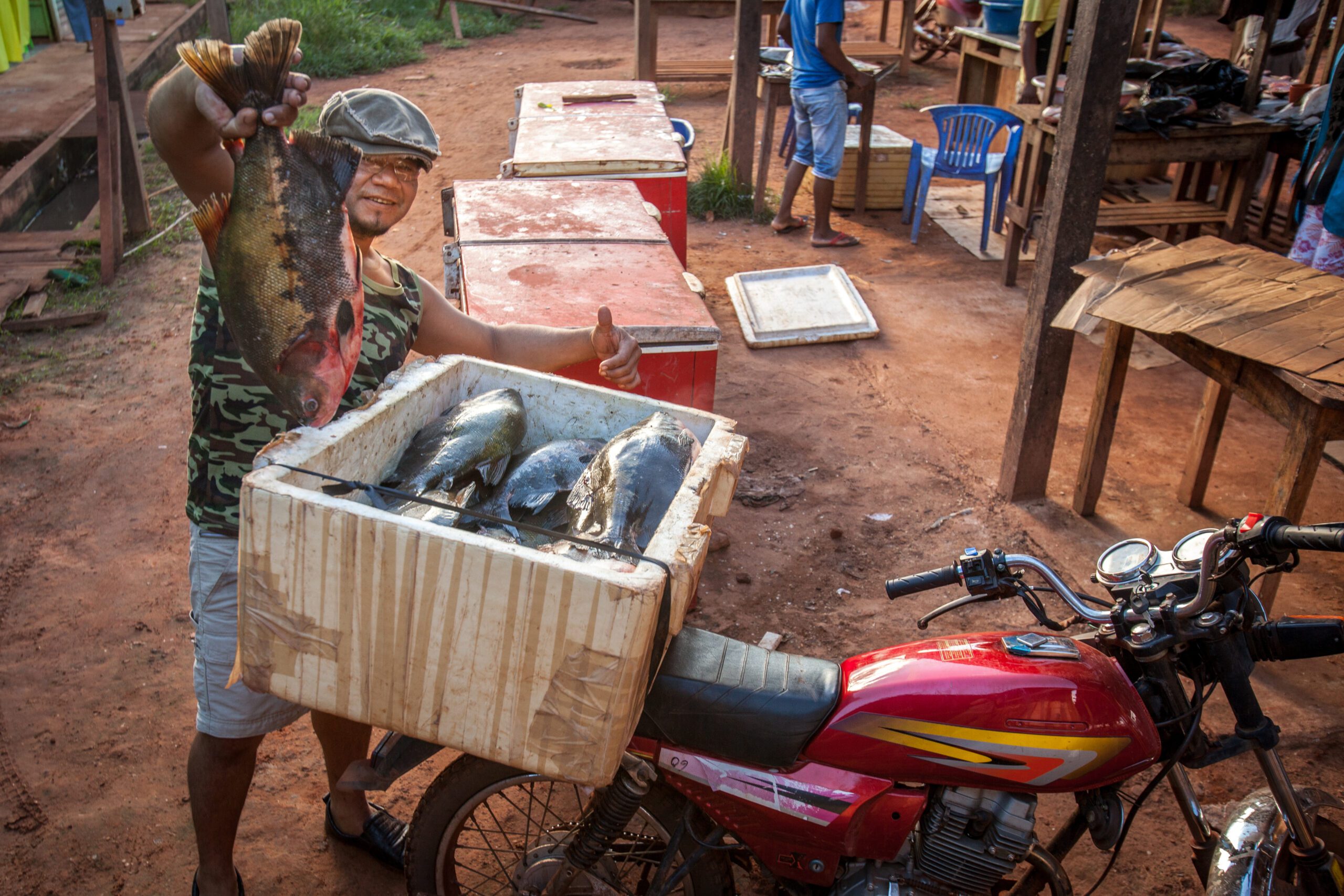
Fish for Life II: Strengthening Food Security in Bolivia
Fish for Life II is a vital initiative dedicated to enhancing the small-scale fishing and aquaculture sector in Bolivia. This project plays a crucial role in improving food security and reducing poverty, with a special focus on empowering women and indigenous populations.
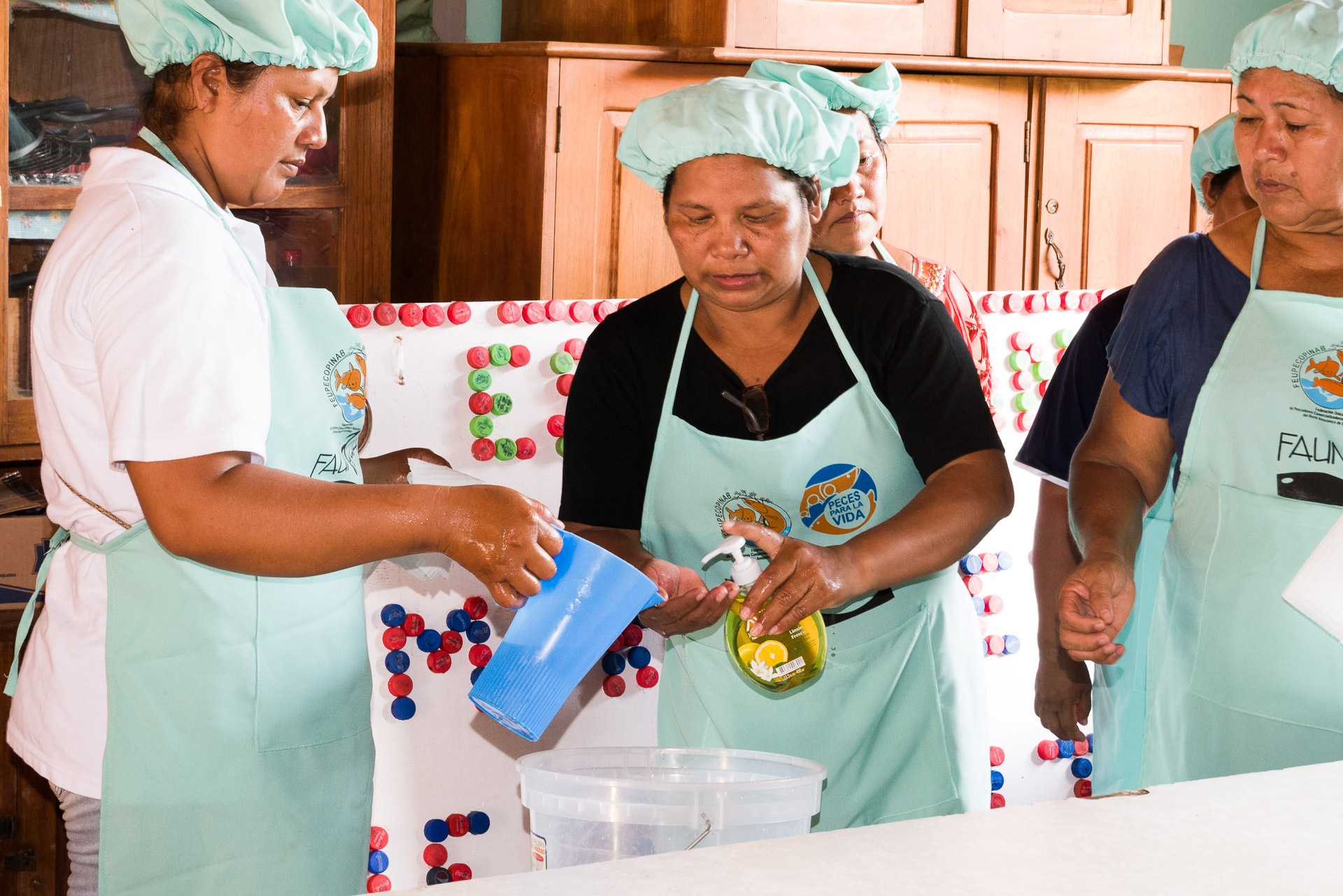
The project promotes the adoption of Good Production and Environmental Practices to ensure the sustainability of fishing and aquaculture activities. Through a collaborative alliance of Bolivian and Canadian institutions, “Fish for Life II” provides technical and social information, creates opportunities for knowledge exchange, and facilitates access to financial services.

Key Objectives and Achievements
The main objective of the project is to enhance the contribution of Amazonian fish to poverty reduction and food security in Bolivia. The second phase of the project (2015-2018) focused on scaling up the most promising solutions to overcome challenges in the fish value chains. This resulted in:


Where We Work
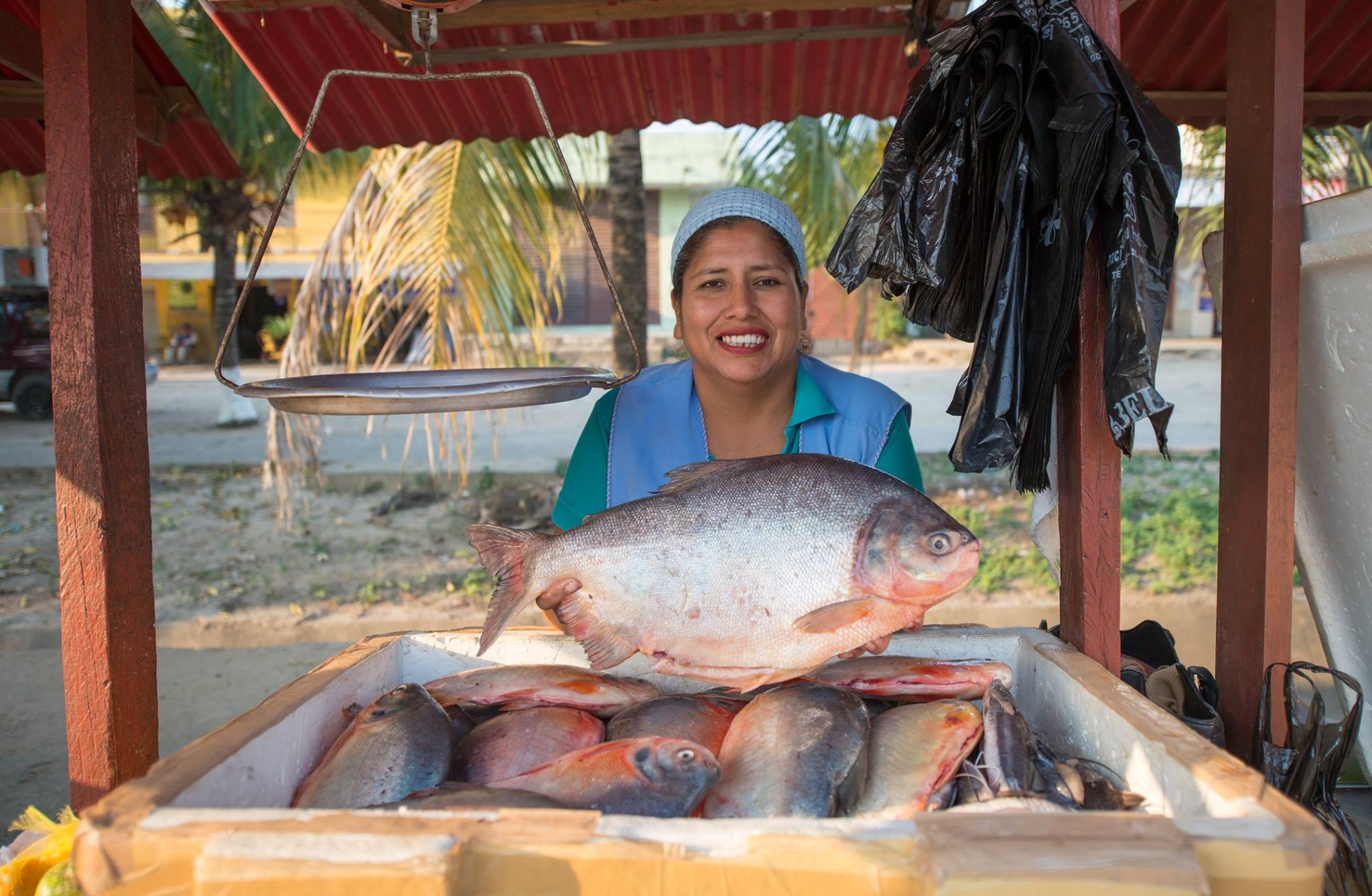
Bolivia is home to nearly 1,000 species of fish. By combining conservation with the sustainable use of these resources, we contributed to increased fish consumption and food security for Bolivians. This also helped to solidify the livelihoods of nearly 10,000 commercial and indigenous fishing families.
The Amazon
Our work in the Amazon region covered three key departments:
- Beni and Pando: We worked in one municipality (Riberalta), five Indigenous and Rural Community Territories (TIOCs), and one Protected Area.
- Santa Cruz: Our intervention extended across three municipalities: Yapacaní, San Carlos, and San Juan.
- Cochabamba: We were present in two municipalities: Puerto Villarroel and Entre Rios.
Lake Titicaca
We also intervened in the Lake Titicaca region to support local fishing communities.
Our Vision and Mission
What is our vision for the sector?
Our vision is to see a developed and sustainable fishing and aquaculture sector that contributes to the nation’s food security. This is a sector that has stimulated the horizontal participation of both public and private actors, forming strategic alliances through joint and coordinated work. We envision a sector with broad access to financial services and technological innovations.
What is our mission?
We are a group of technical, multidisciplinary, and specialized entities committed to the sustainable development of fishing and aquaculture. We provide innovative services to promote the growth and scaling of the fish and fishing sector.
How do we do it?
We achieve our goals through a range of key activities, including:
- Applied research
- Offering financial services
- Developing training and technical assistance
- Advising and strengthening social capital
- Validating productive technologies
- Articulating multi-actor platforms
Why do we do it?
We work to improve the conditions and livelihoods of the most vulnerable families and to contribute to the overall development of aquaculture and fishing, while safeguarding the country’s food security and sovereignty.
For whom do we do it?
Our work is for peasant families, indigenous populations, and the men and women producers of the Amazon region of Bolivia.
Areas of Intervention
Amazonian Fisheries
Conducting technical and social studies to optimize the management of species such as the paiche.
Small-Scale Aquaculture:
Supporting the growth of the aquaculture sector in the Bolivian Amazon
Governance
Consolidating multi-stakeholder platforms to improve fish production and marketing strategies.
Financial Services
Developing and providing financial support mechanisms.
Gender
Strengthening the role of women in the fish value chains in Bolivia.
Environment
Mitigating the negative environmental impacts associated with commercial fishing and small-scale aquaculture.

The Project's Partners
Fish for Life I (2011-2014) was executed by three non-governmental institutions from Bolivia and Canada (FAUNAGUA, SUSTAINABLE WATER, WORLD FISHERIES TRUST), in partnership with more than 10 stakeholders and institutions from the fishing sector in Bolivia.
Fish for Life II (2015-2018) was executed by six institutions from Bolivia and Canada, in partnership with more than 20 stakeholders and institutions from the fishing and aquaculture sector, and in close collaboration with public actors.
The Fish for Life II project is supported by the Canadian International Food Security Research Fund (CIFSRF), a program of the International Development Research Centre (IDRC), carried out with the financial support of the Government of Canada through Global Affairs Canada (GAC).