Fish For Life: Empowerment & Sustainability
Transforming Aquaculture, Empowering CommunitiesAcross Bolivia’s tropical regions, Peces para la Vida is leading a movement that blends innovation, environmental stewardship, and gender equality to build a stronger, more sustainable aquaculture sector. We work side-by-side with women and families to strengthen technical skills, improve production systems, and create real economic opportunities, all while protecting aquatic ecosystems for future generations.
About the Project
Fish for Life: Empowerment and Sustainability seeks to revolutionize aquaculture in Bolivia by enhancing local community capabilities and advancing equitable and eco-conscious production systems. It aims to build technical skills and facilitate greater social inclusion, resulting in more effective and fair aquaculture practices
Empowerment of Local Communities:
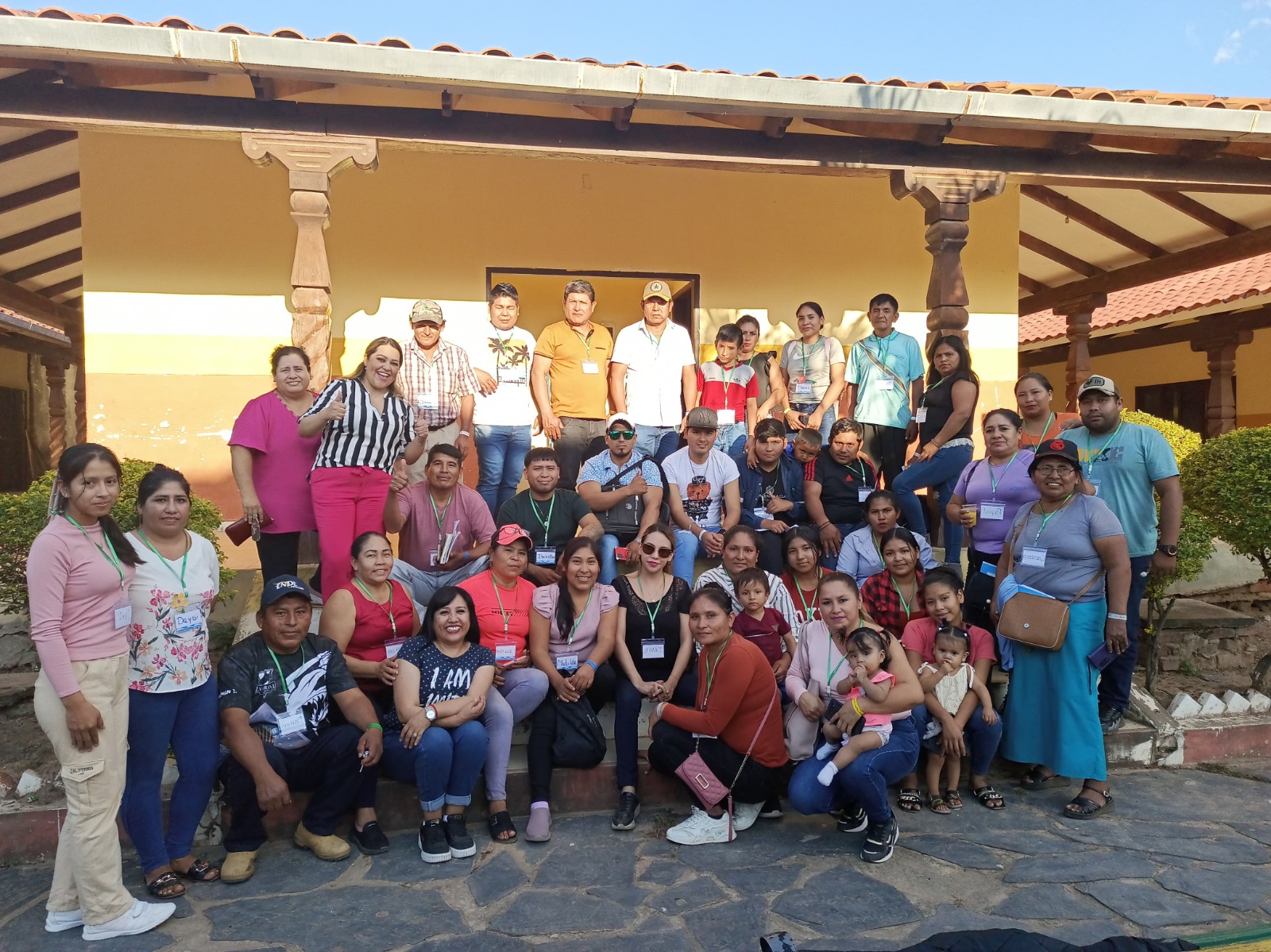
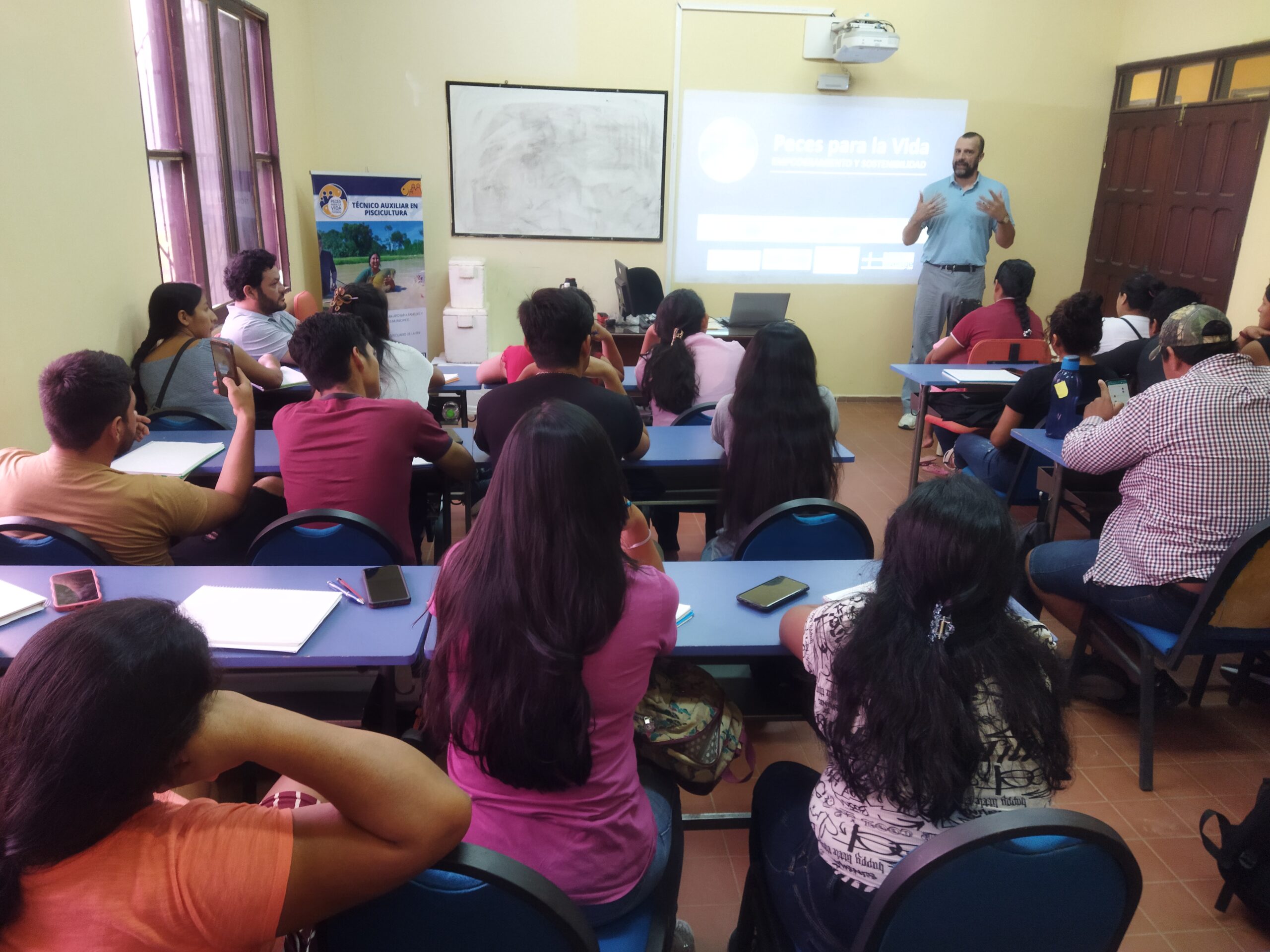
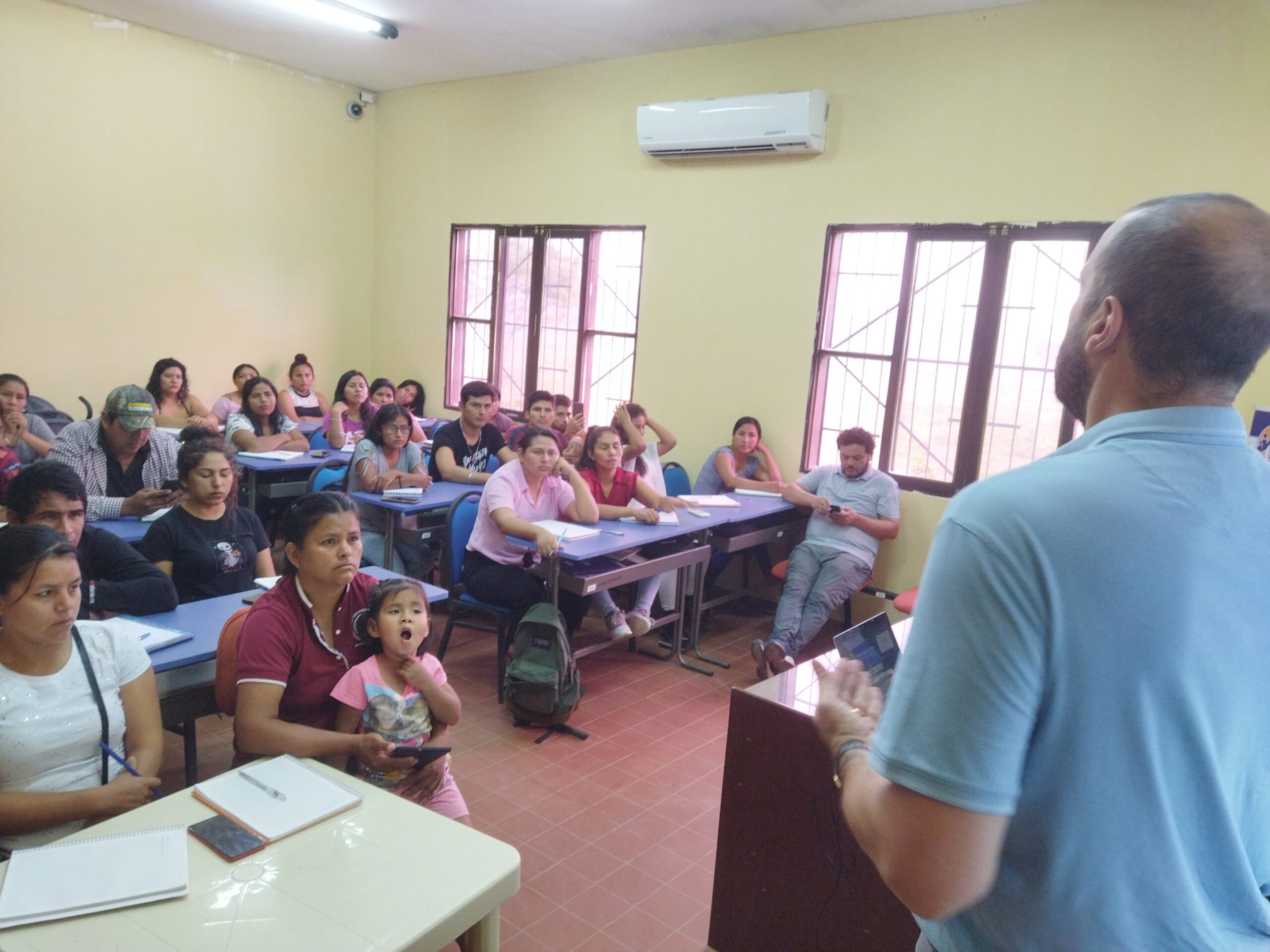
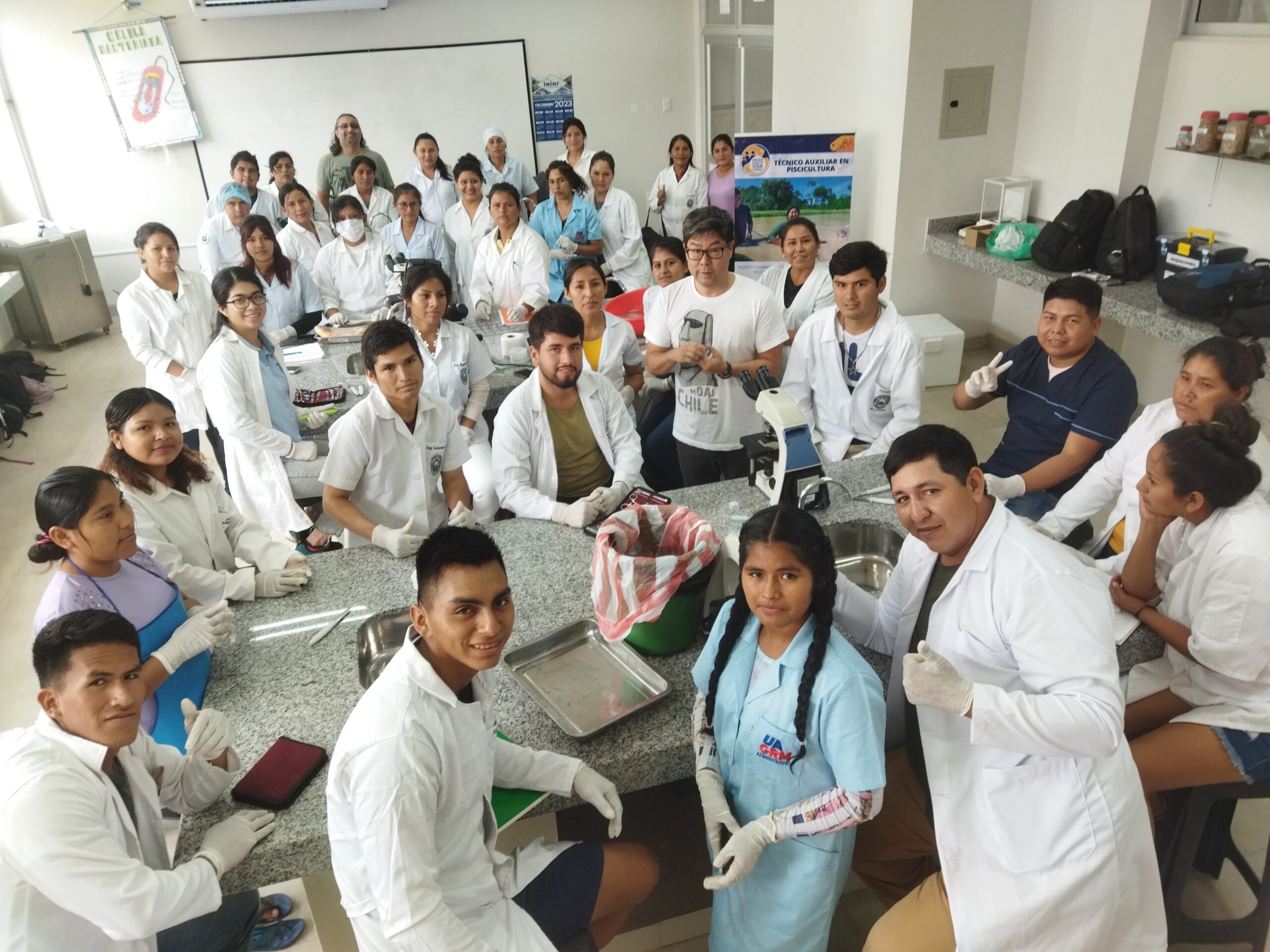
The project strengthens capacity among rural women and men, training them as auxiliary fishery technicians. Through comprehensive theoretical and practical workshops, from hatchery management to responsible aquaculture techniques, it enhances not only fish production but also self-reliance and leadership within communities
Sustainable Work
The project implements responsible culturing practices that minimize ecological footprints, promote efficient water usage, and safeguard aquatic ecosystems. Economically, it bolsters local entrepreneurship by creating jobs and building a value chain in aquaculture that supports regional food security and sustainable development
Collaboration with Key Institutions:
The initiative benefits from partnerships with Swisscontact, IPD Pacú, INIAF, FAO, Embrapa, BDP, Fundación Profin, and universities such as FINI and ICAP, which provide vital technical, financial, and logistical backing. These institutions make the work of the project possible and the reach even wider, proposing adecuate and precise solutions
Where do we Work?
The project participated in 10 municipalities across the departments of Cochabamba (Villa Tunari, Shinahota, Chimoré, Entre Ríos, Puerto Villarroel) and Santa Cruz (Yapacaní, San Carlos, San Julián, El Puente, Guarayos) in Bolivia.
Our Work
Peces para la Vida delivers impactful programs across several critical areas
-
Amazonian Fisheries: Conducts technical and sociocultural research to optimize paiche (Arapaima gigas) management practices.
-
Small-Scale Aquaculture: Supports the growth of aquaculture in the Bolivian Amazon.
-
Financial Services: Develops and provides tailored financial mechanisms to support fish producers.
-
Gender Equality: Reinforces the role of women across the fish value chain in Bolivia.
-
Governance: Facilitates multi-stakeholder platforms to improve production and marketing strategies.
-
Environment: Works to mitigate the negative environmental impacts related to commercial fishing and small-scale aquaculture.


Latest Events
02 / 22 / 2025
Closure Event: What Now?
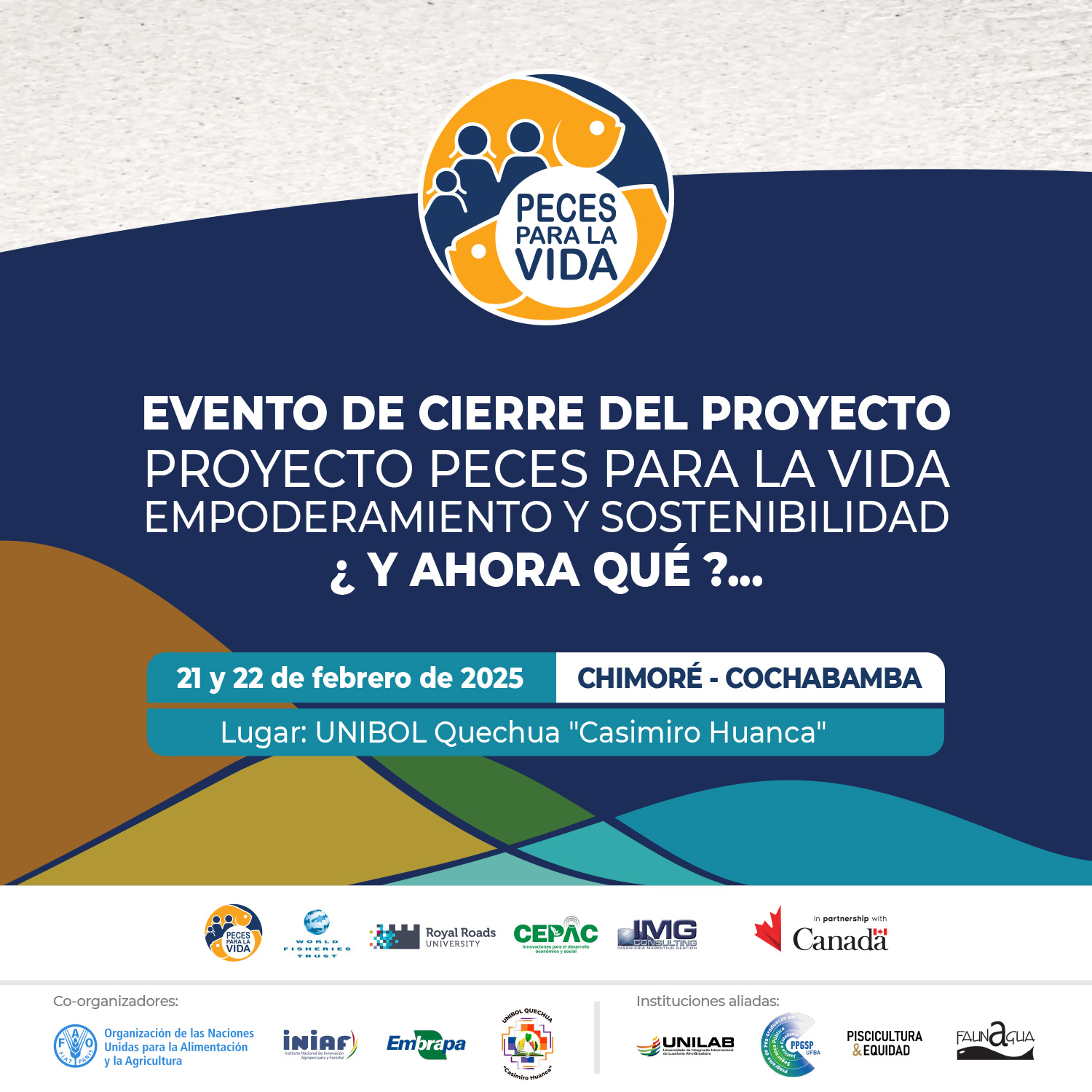
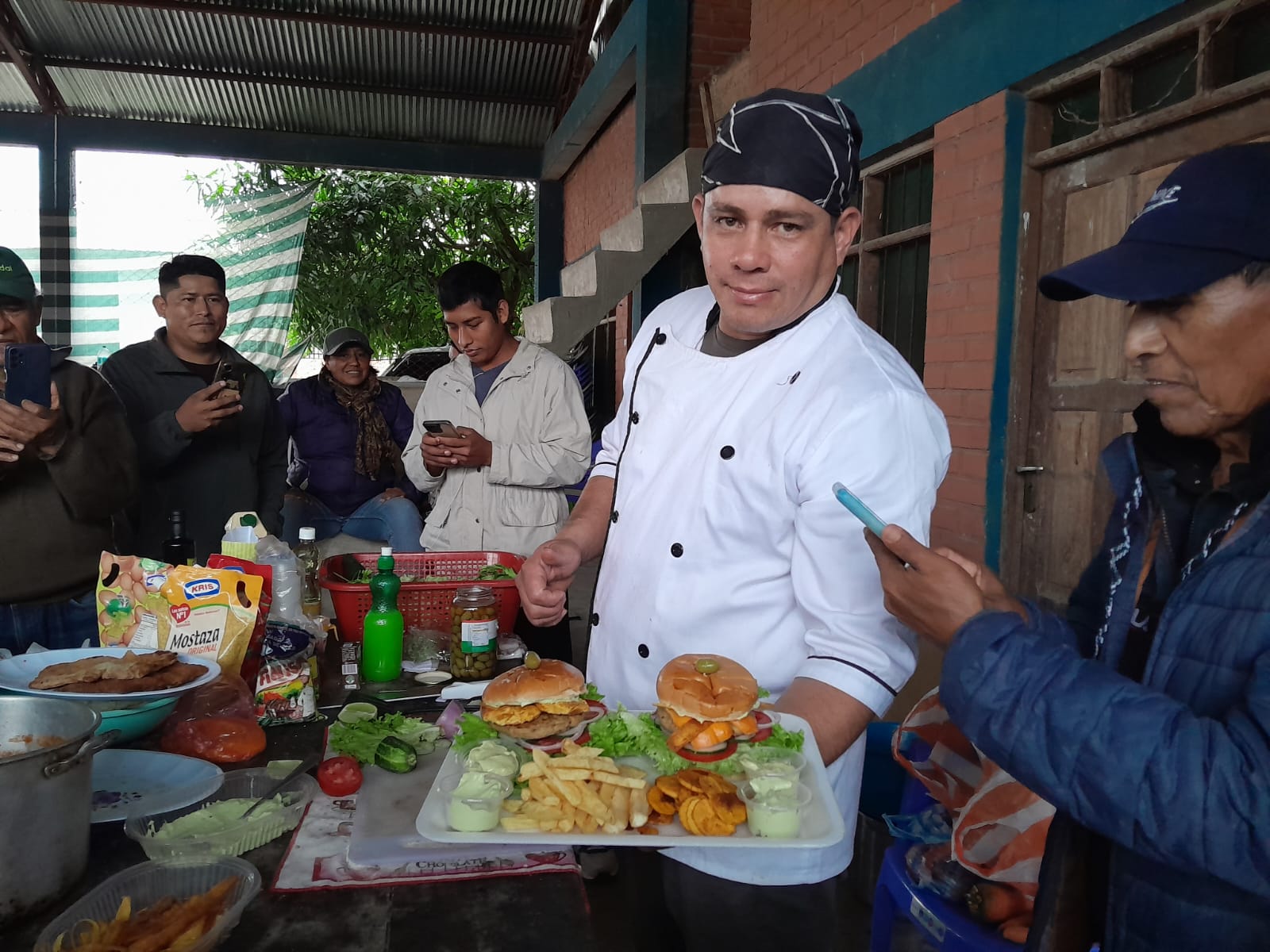
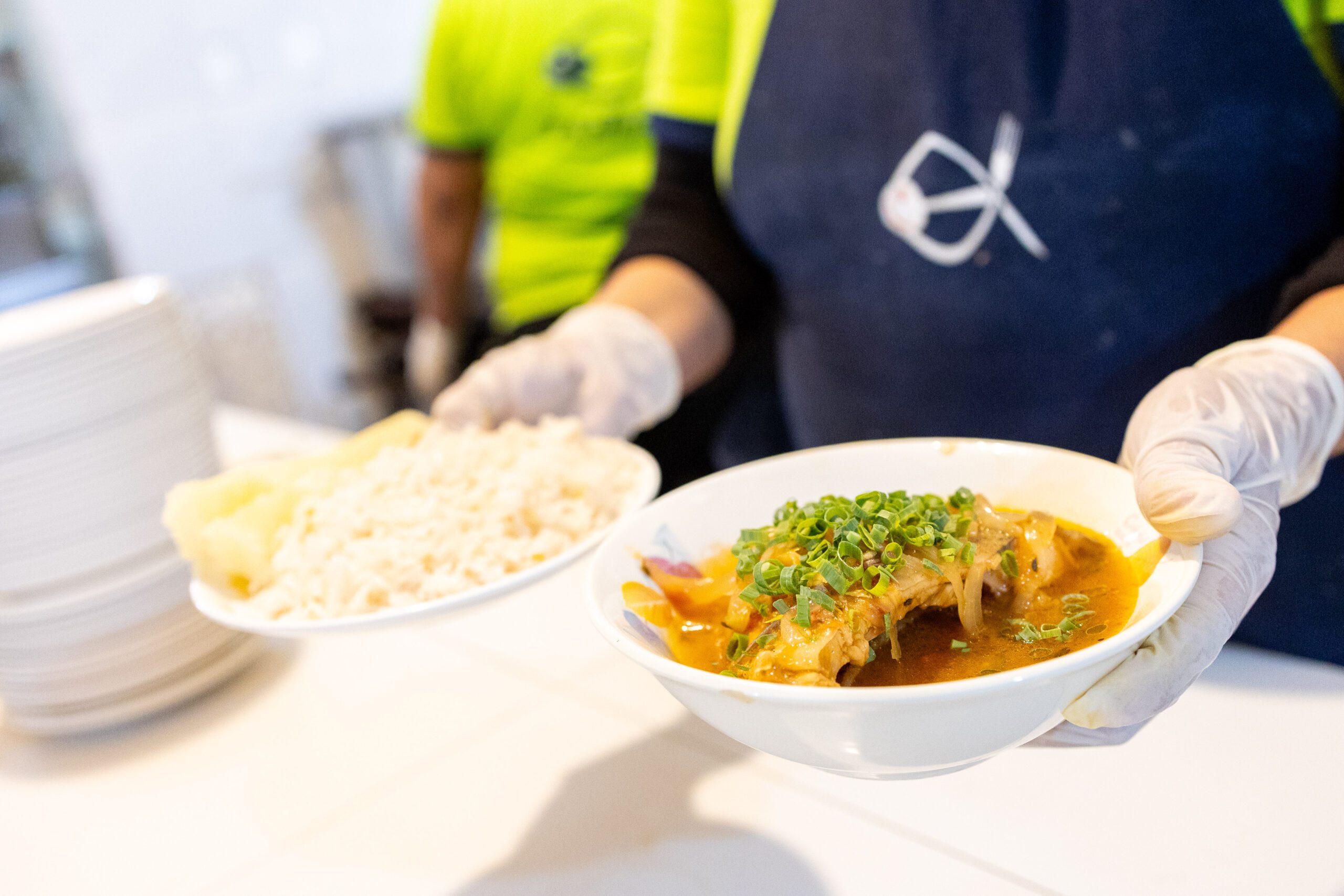
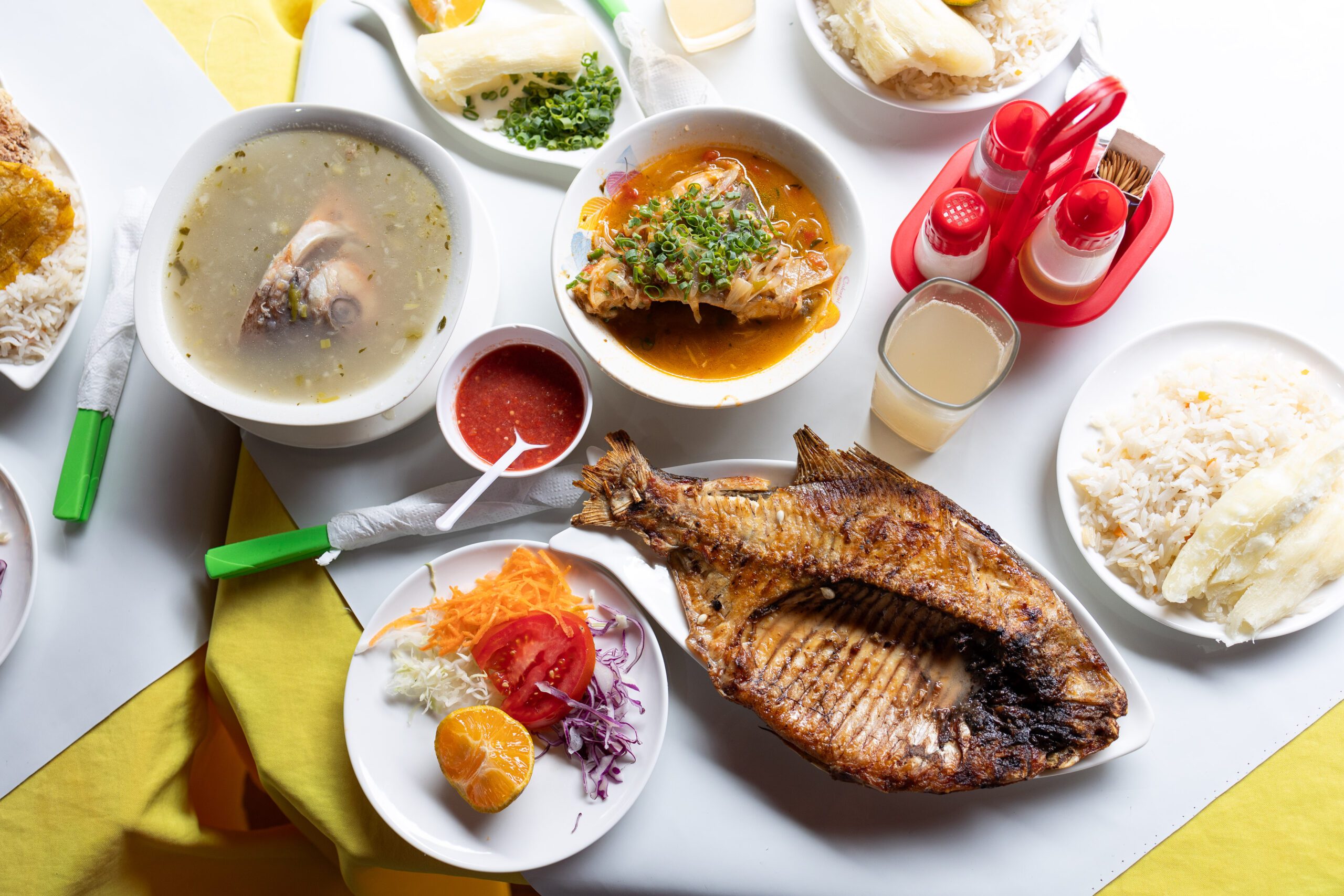
The Closing Event of the “Peces para la Vida – Empowerment & Sustainability” project, held on February 21–22, 2025 at UNIBOL Casimiro Huanca in Chimoré, brought together over 150 participants—43% women—including producers, institutions, and experts from Bolivia and abroad, to reflect on more than two years of work advancing sustainable aquaculture with a strong focus on gender equity. Organized with partners such as FAO Bolivia, INIAF, UNIBOL, CEPAC, FAUNAGUA, and international universities, the event featured presentations, thematic working tables, and action planning sessions addressing topics from strengthening associations and integrating aquaculture into public policy, to promoting environmentally responsible practices and expanding women’s leadership. A vibrant Culinary Salon, led by Argentine chef Vicente Cuevas and supported by local businesses, showcased innovative fish-based dishes that celebrated Bolivia’s aquatic biodiversity and cultural identity. Far from marking an end, the event launched a new chapter with the creation of a management committee and the commitment to form a multi-stakeholder platform dedicated to ensuring the sector’s future as a driver of inclusion, food security, and environmental stewardship.
12 / 11 / 2024
The III International Symposium on Tropical Fish Farming in Bolivia: Risks and Challenges for Sustainability
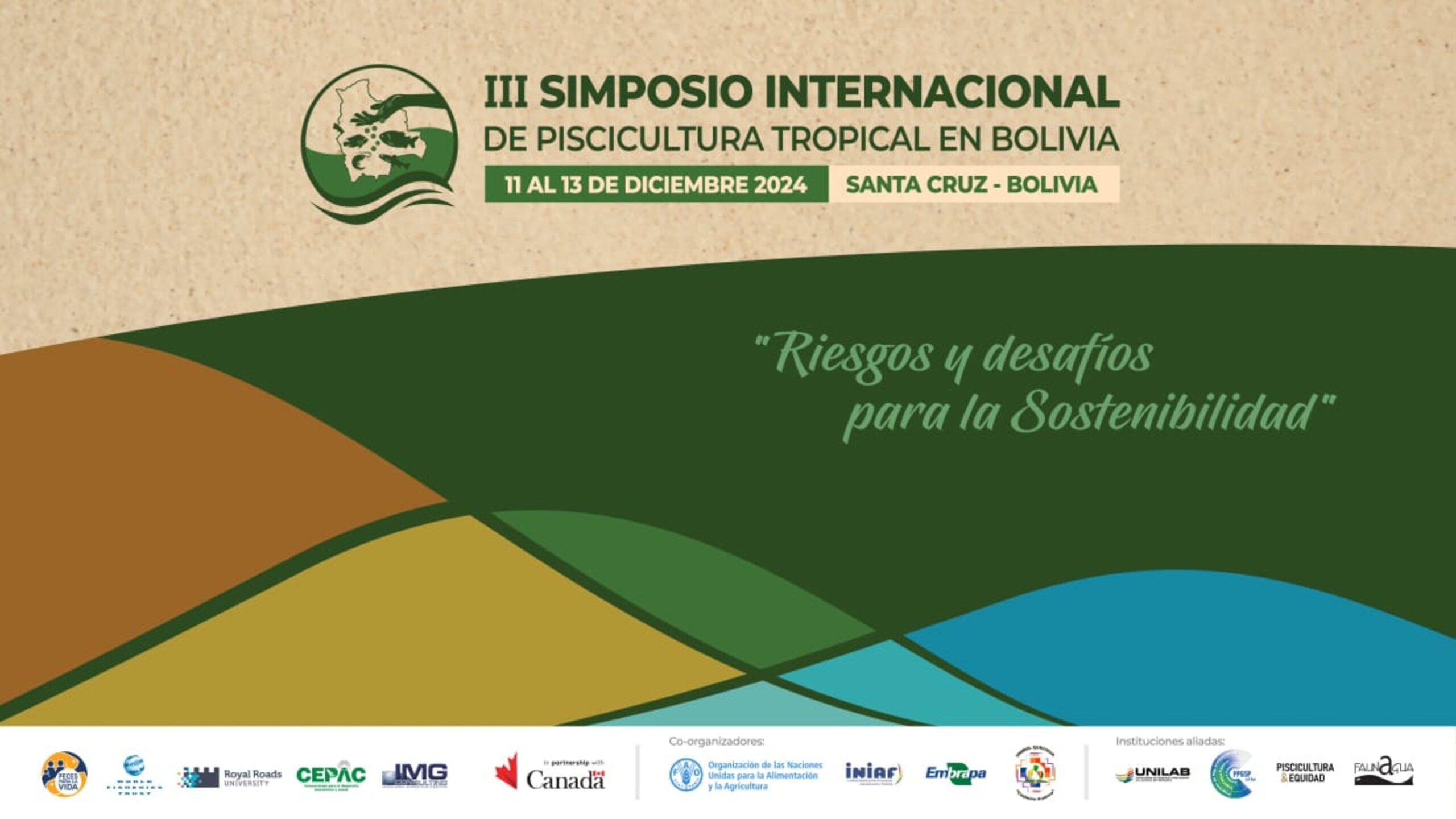
The III International Symposium on Tropical Fish Farming in Bolivia, convened in Santa Cruz de la Sierra on December 11–13, 2024, drew more than 30 expert speakers from countries such as Bolivia, Brazil, Mexico, Colombia, Italy, Chile, Canada, and China, fostering a dynamic interchange on key aspects of fostering sustainable aquaculture—ranging from fish nutrition, reproduction, and genetics to water quality and fish health. Organized in partnership with Peces para la Vida – Empowerment & Sustainability, FAO Bolivia, INIAF, UNIBOL, and EMBRAPA, the symposium united producers, researchers, government representatives, input suppliers, and academics in a collaborative dialogue aimed at advancing inclusive and gender-sensitive pisciculture. Sessions covered topics including the FAO’s global AquaGRIS system for aquatic genetic resources, planning frameworks for aquaculture development in landlocked developing countries, updated FAO sustainability guidelines, aquaculture trends in Latin America and the Caribbean, closing data gaps through household survey integration, and targeted policy strategies to support sustainable aquaculture in Bolivia.
Discover Real Stories
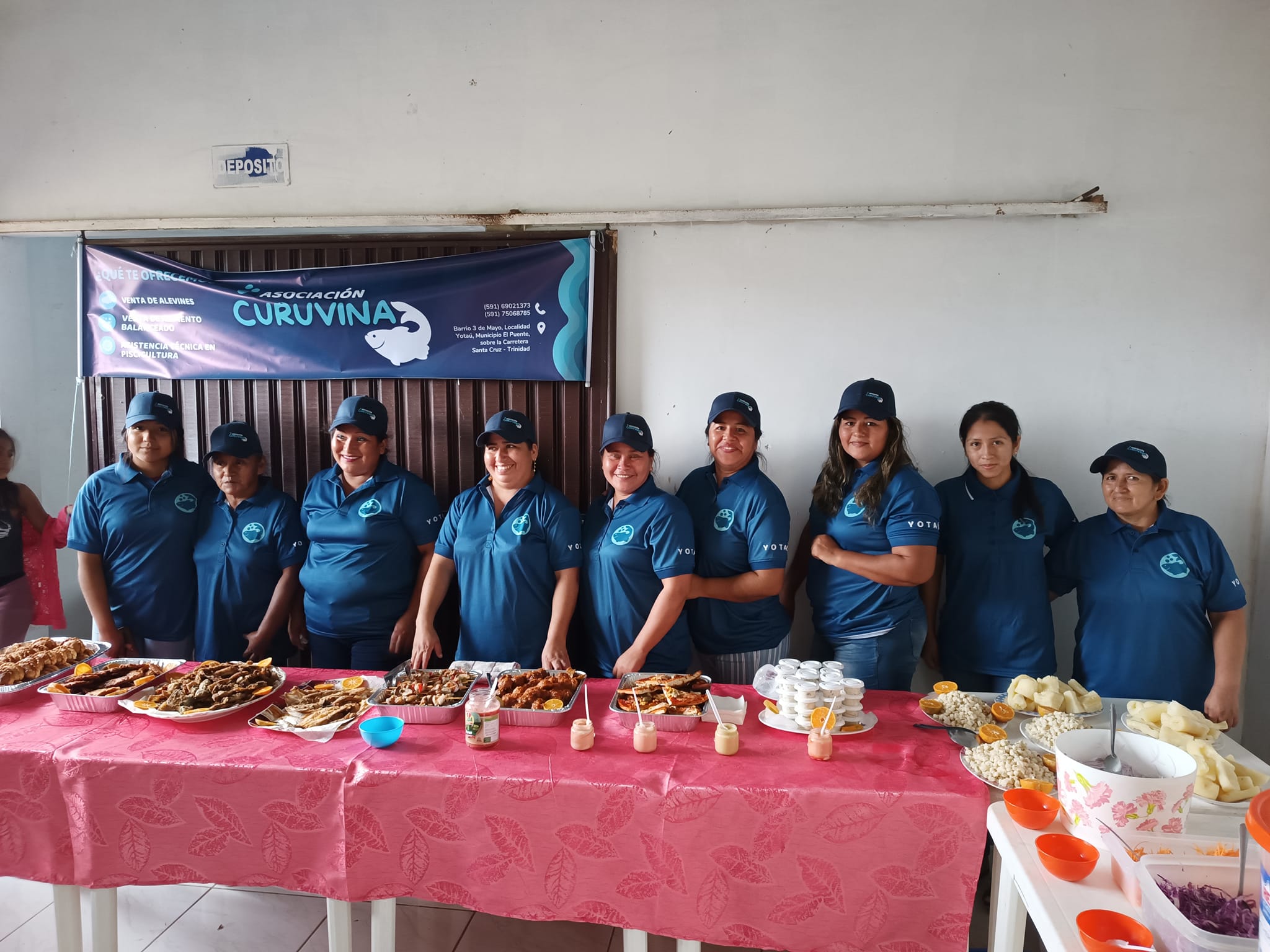
The Women of Yapacaní: Strength and Perseverance
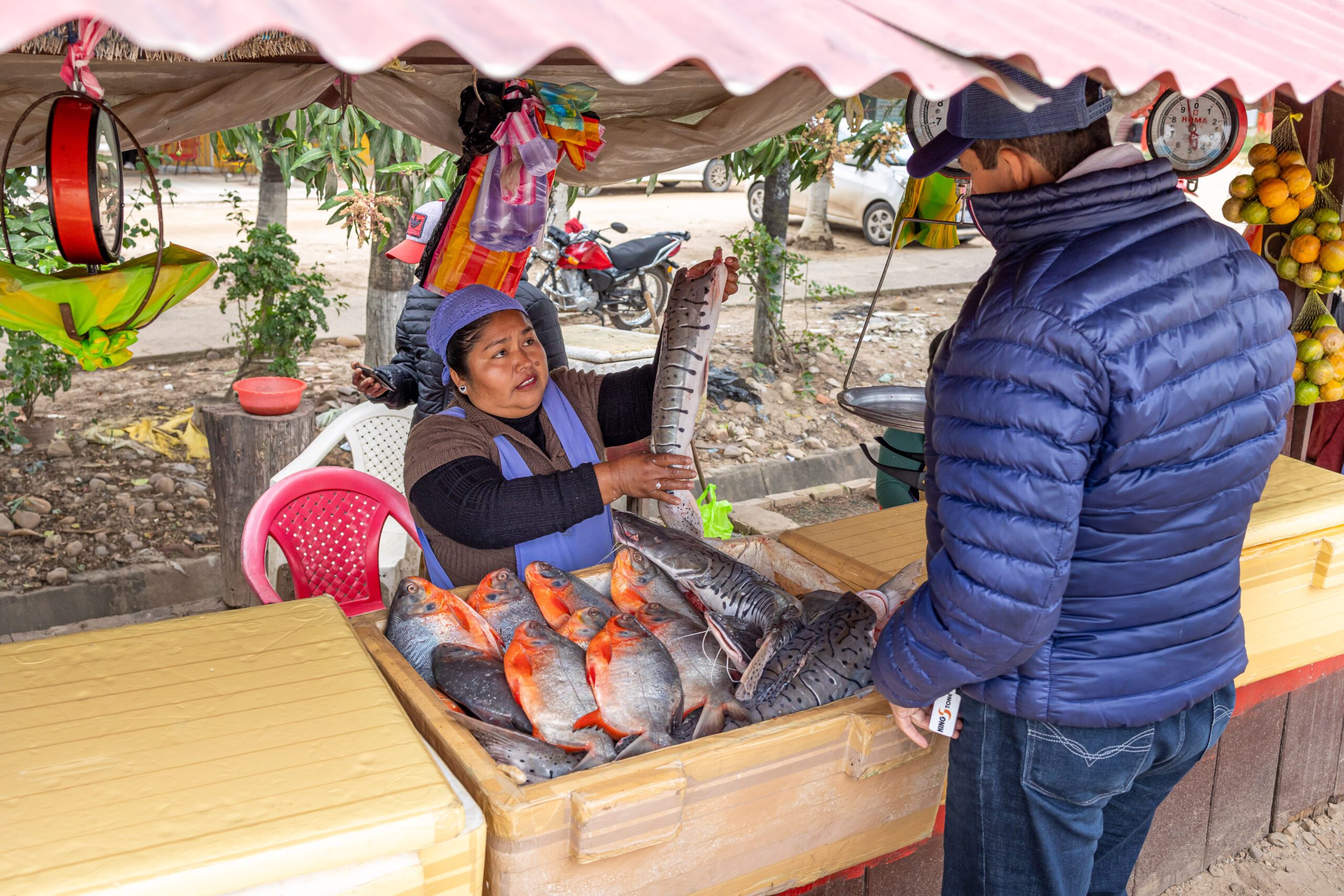
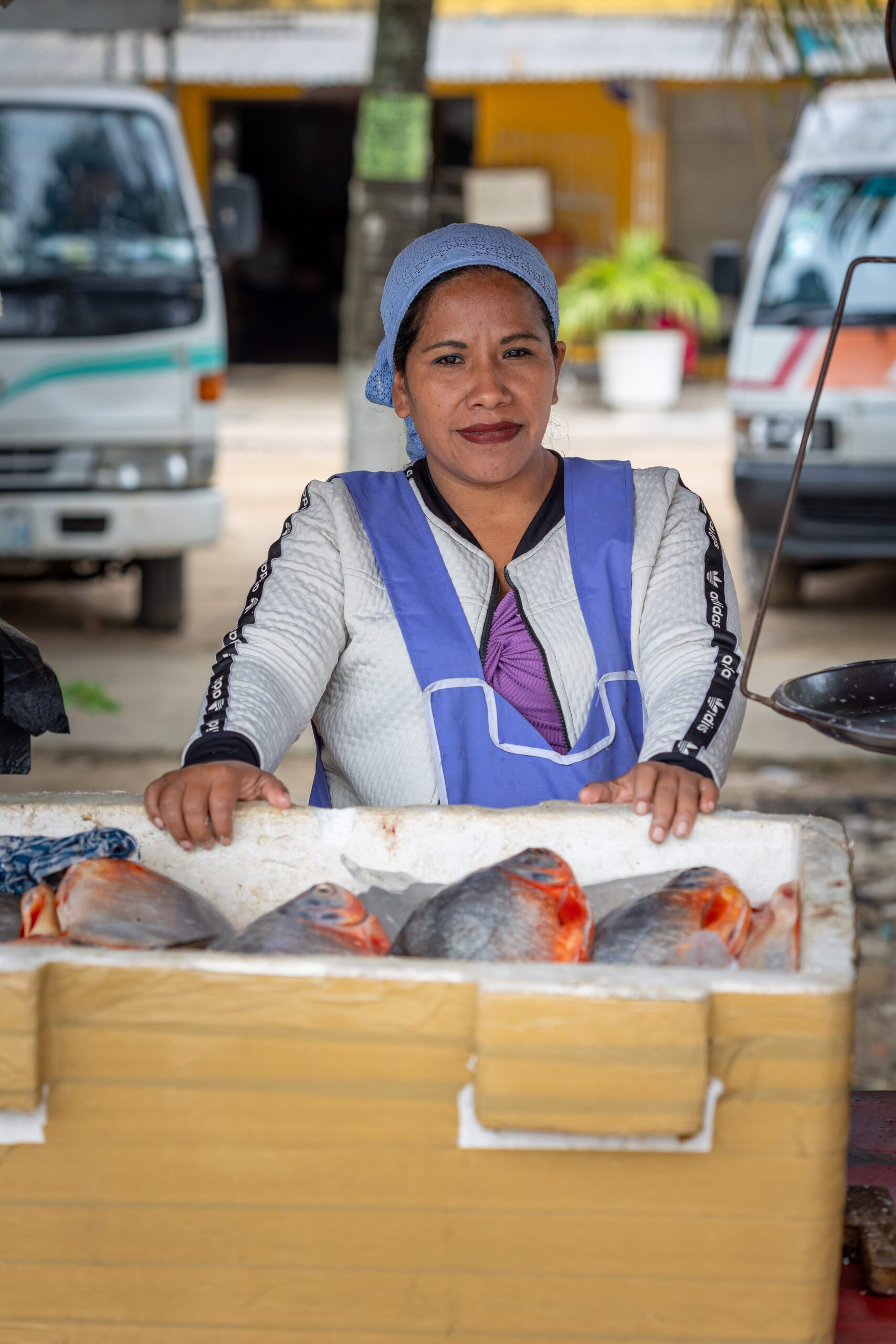
Within the Fish for Life project, the Association of Women Fishers of Yapacaní shines as a powerful example of resilience. For over 12 years, these women have united to overcome social and economic challenges, building a strong network through aquaculture. Empowered by training and knowledge, they have improved farming and marketing practices, offering tilapia, surubí, pacú, and tambaquí to their communities. Each sale supports not only their families but also local food security.
Despite ongoing challenges—such as the lack of a safe place to sell their products—their determination remains unshaken. Their story is one of unity, empowerment, and hope, proving that passion and perseverance can shape a brighter future.
Empowerment Through Fish Farming: The Story of Alejandro and Roxana
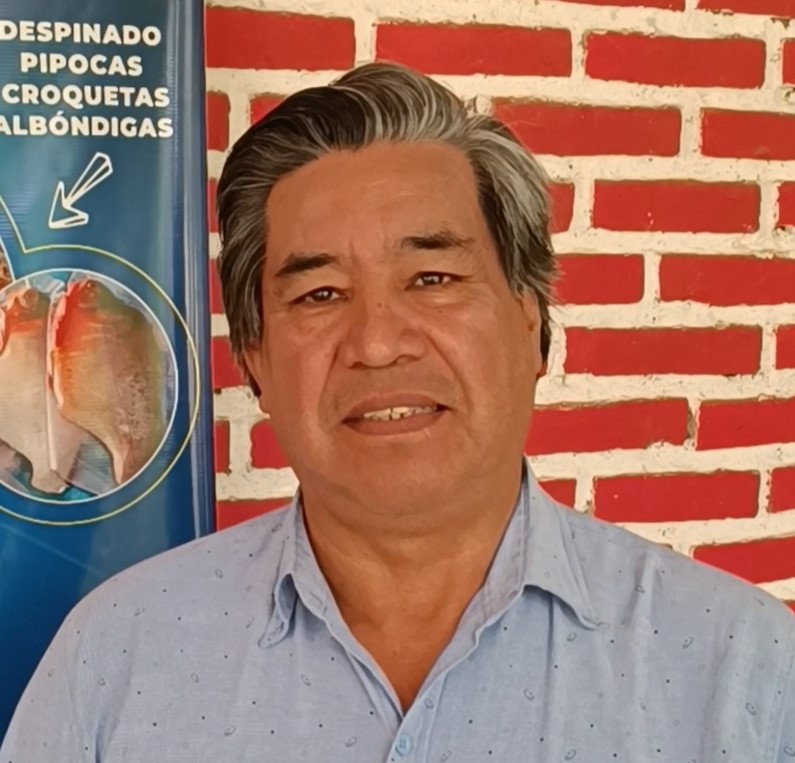
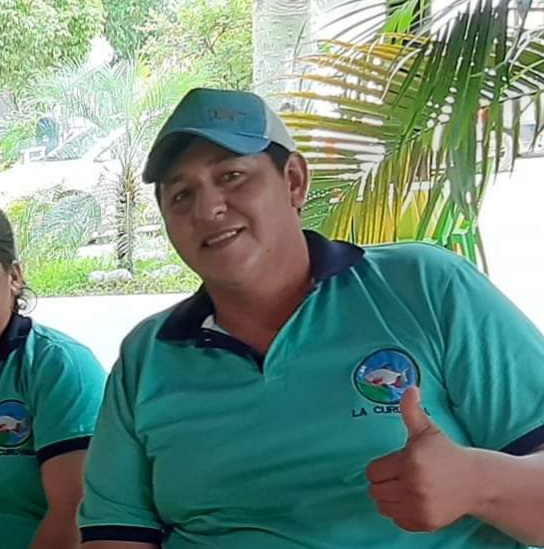
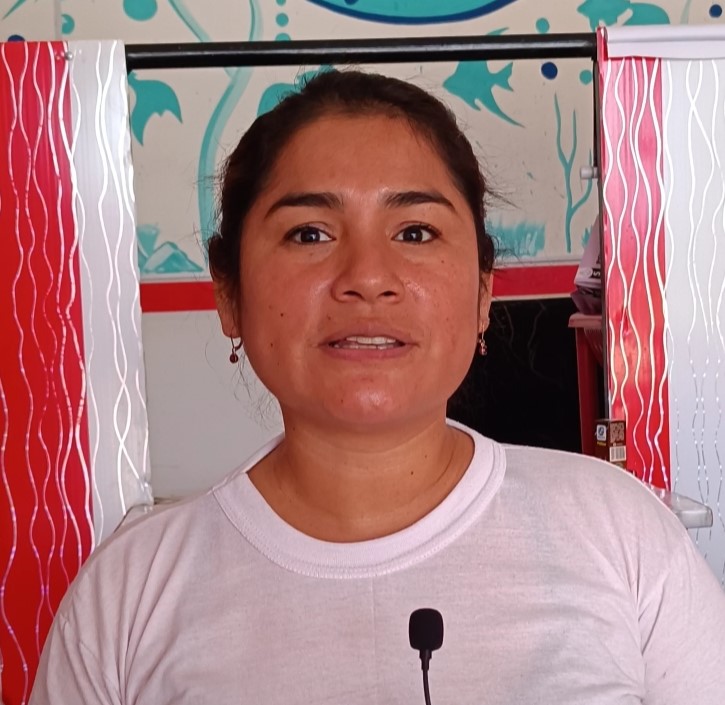
Meet Alejandro and Roxana, two inspiring producers whose journey embodies the true spirit of Fish for Life. In this heartfelt testimonial, they open their doors and share how the project has transformed their lives—bringing scientific knowledge, technical training, and the tools to add real value to their fish farming efforts.
Their story is more than just personal growth; it’s a powerful reflection of what happens when empowerment, sustainability, and community-driven innovation come together. Through their experience, we see how Fish for Life is helping build stronger livelihoods, fostering resilience, and creating opportunities that ripple far beyond individual families—impacting entire communities and shaping a more sustainable future for aquaculture in Bolivia.
Who are We?
With the support of Global Affairs Canada and in collaboration with World Fisheries Trust, Royal Roads University, CEPAC, and IMG Consulting, Fish for Life advances gender equality and sustainability in Bolivia’s aquaculture sector. Together, we empower women, foster inclusive decision-making, and promote socio-economic development that respects and celebrates diversity—building a fairer, more sustainable future for all.

Project's Gallery
1. Production, Training & Commercialization of Fish
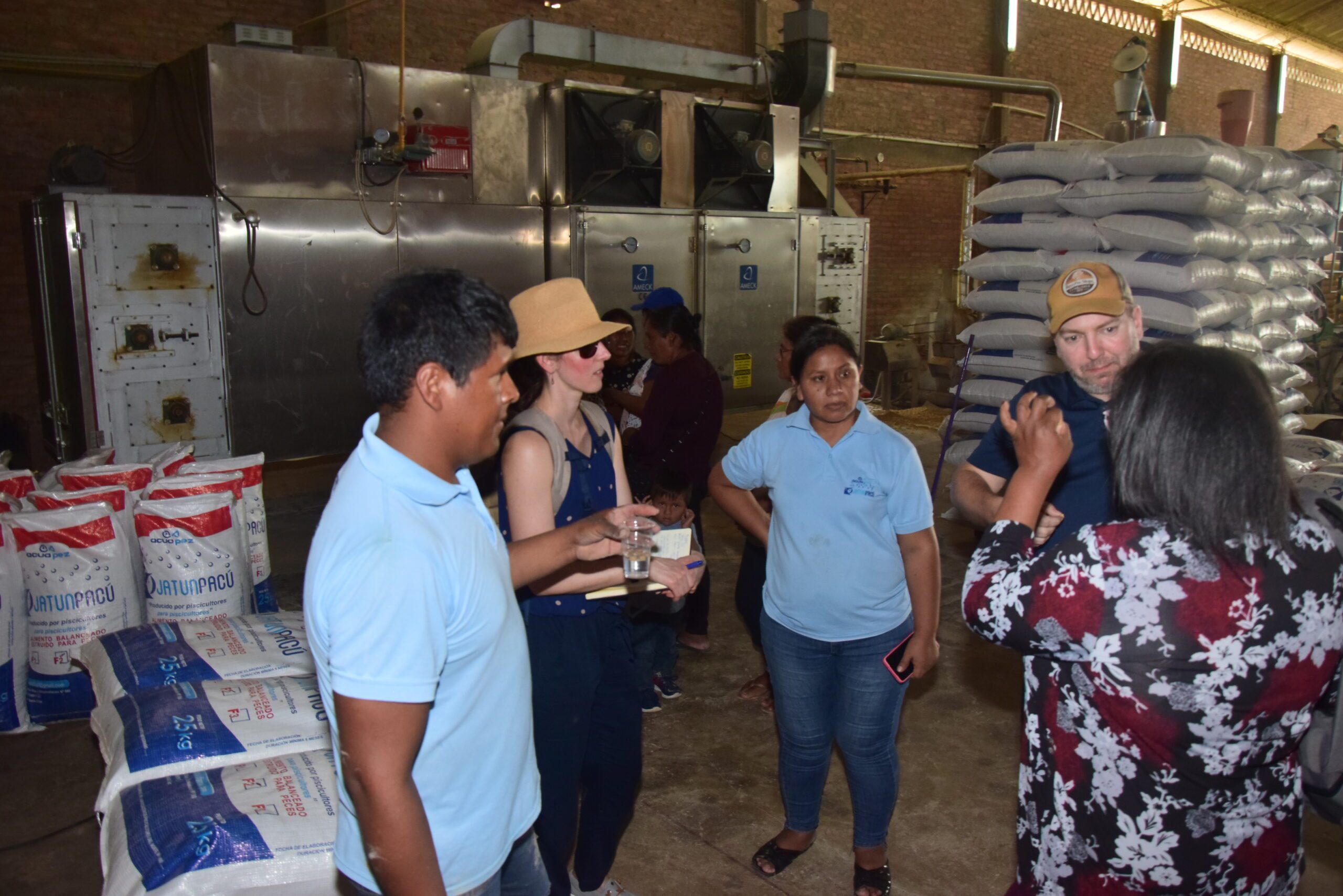
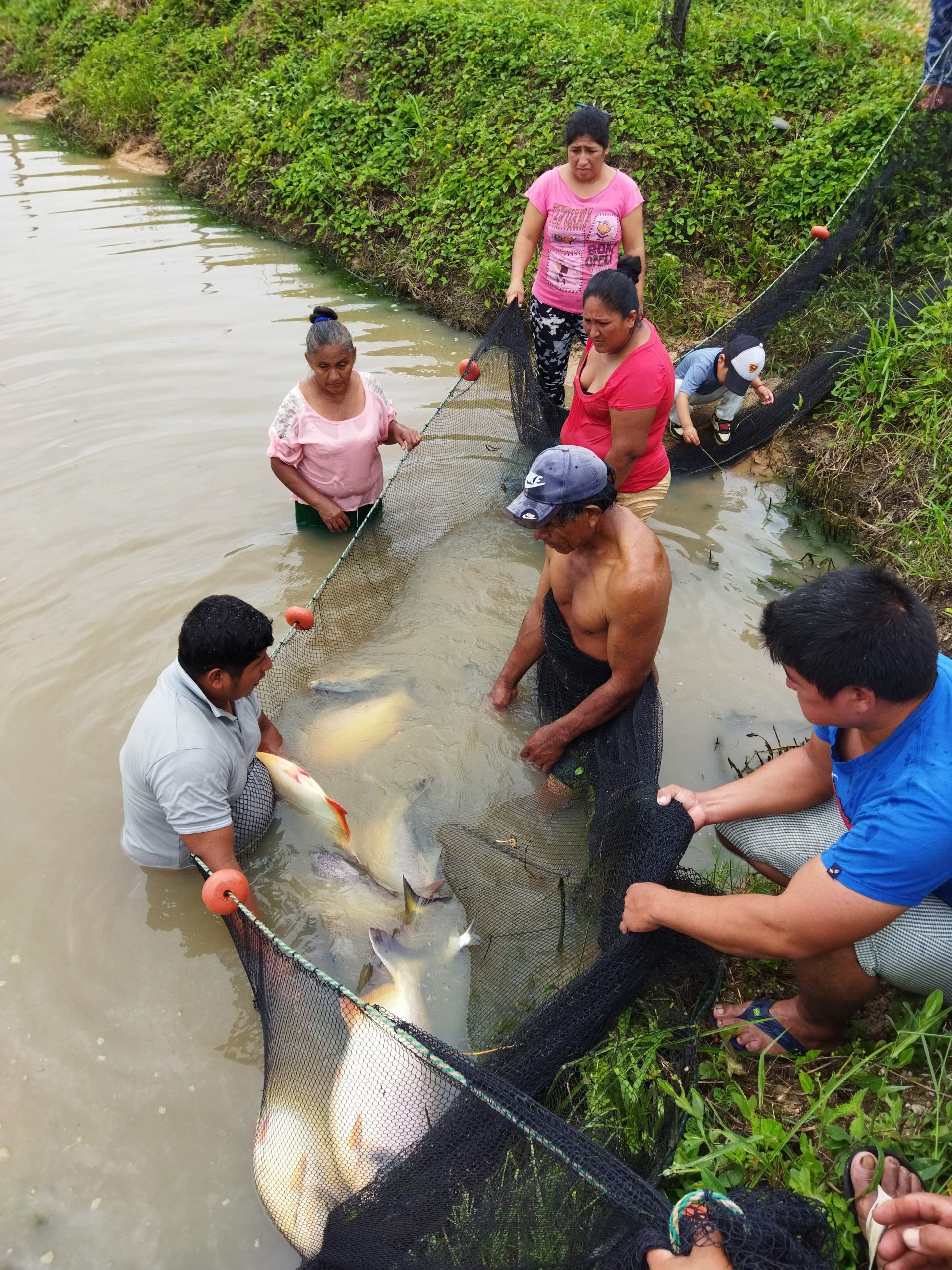
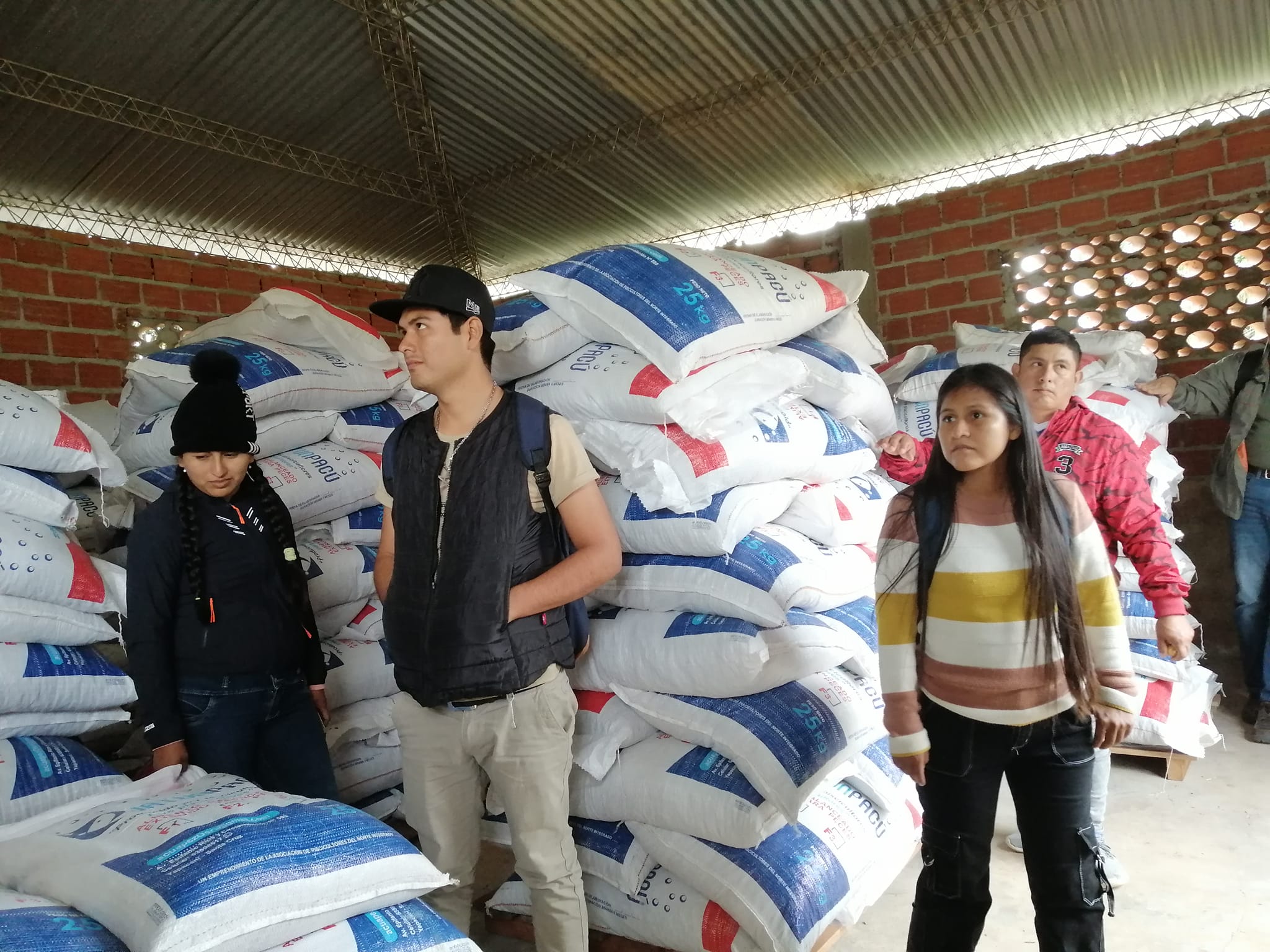
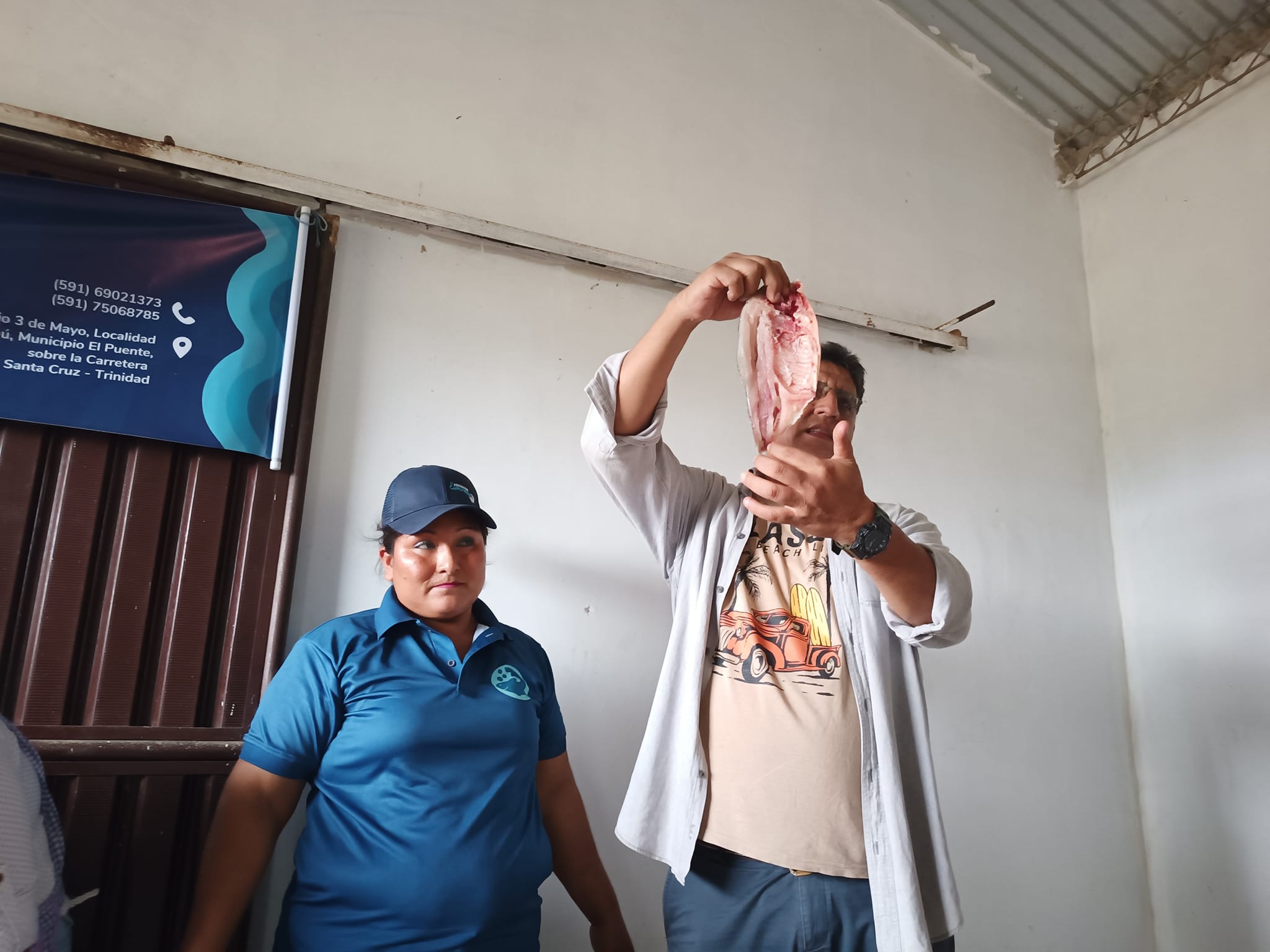
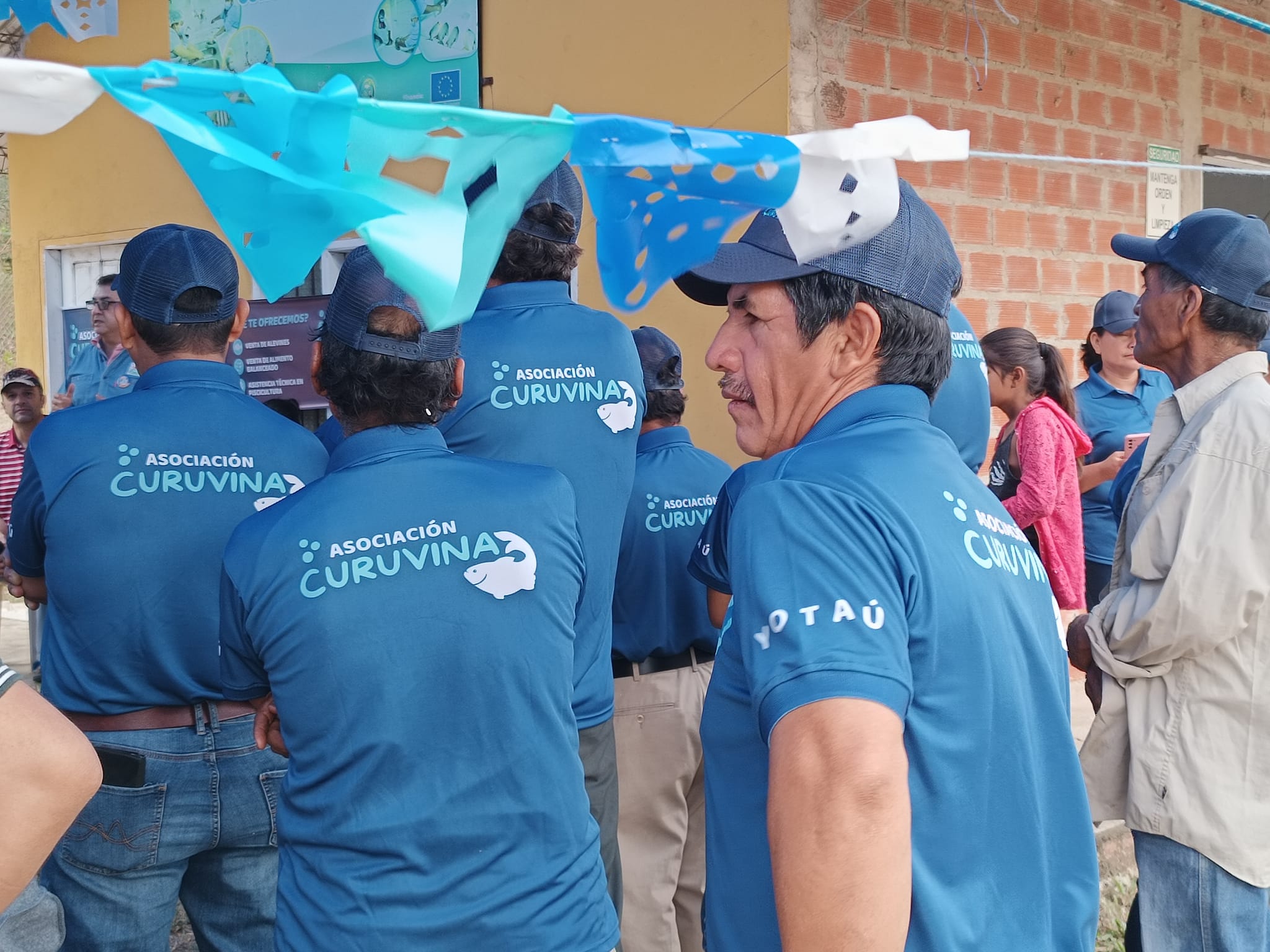
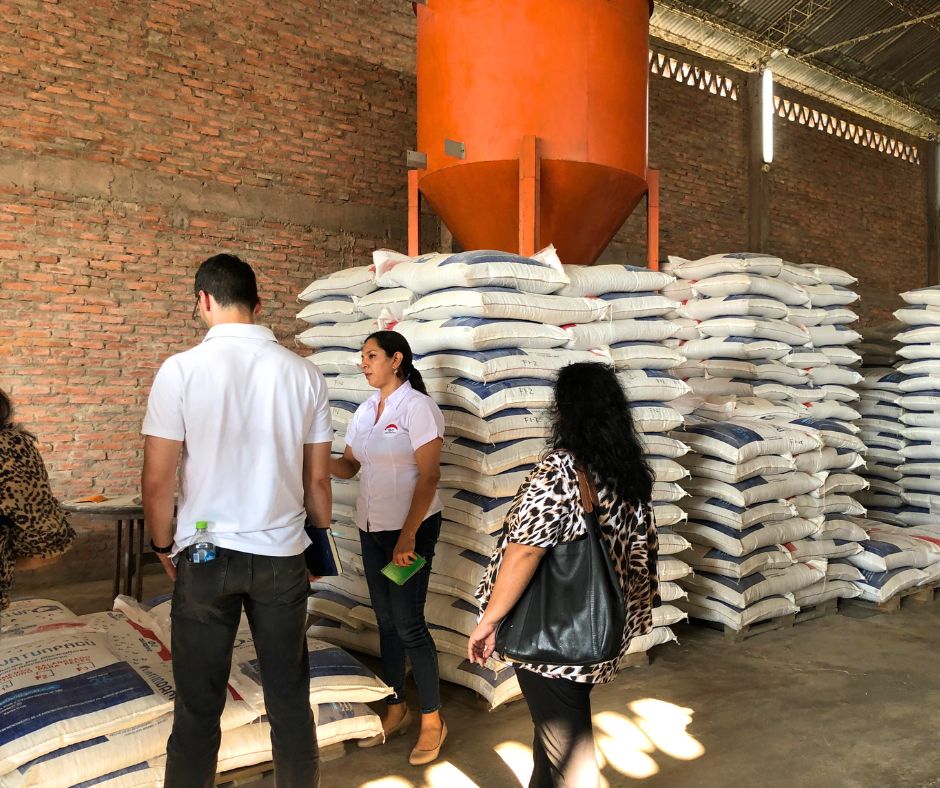
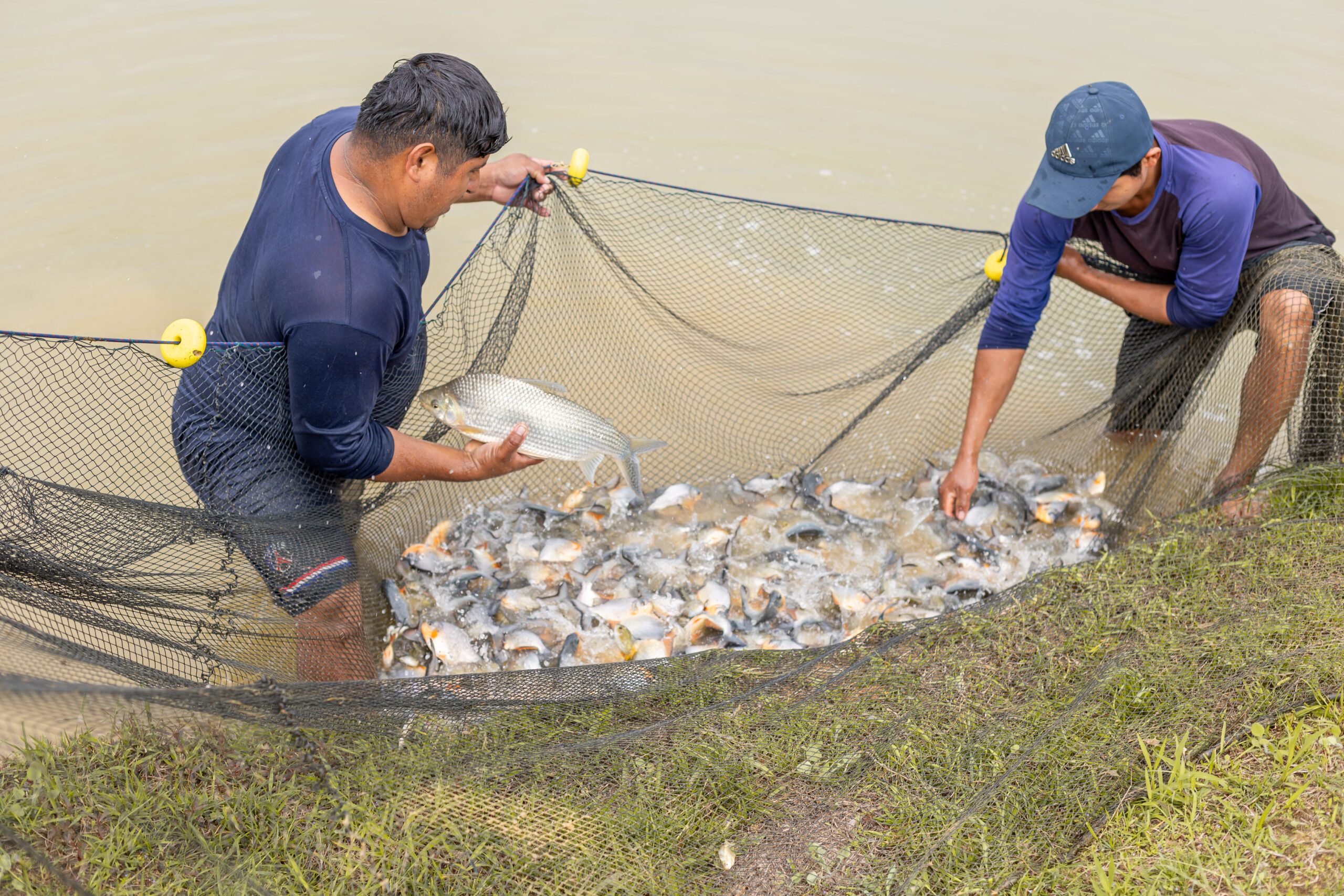
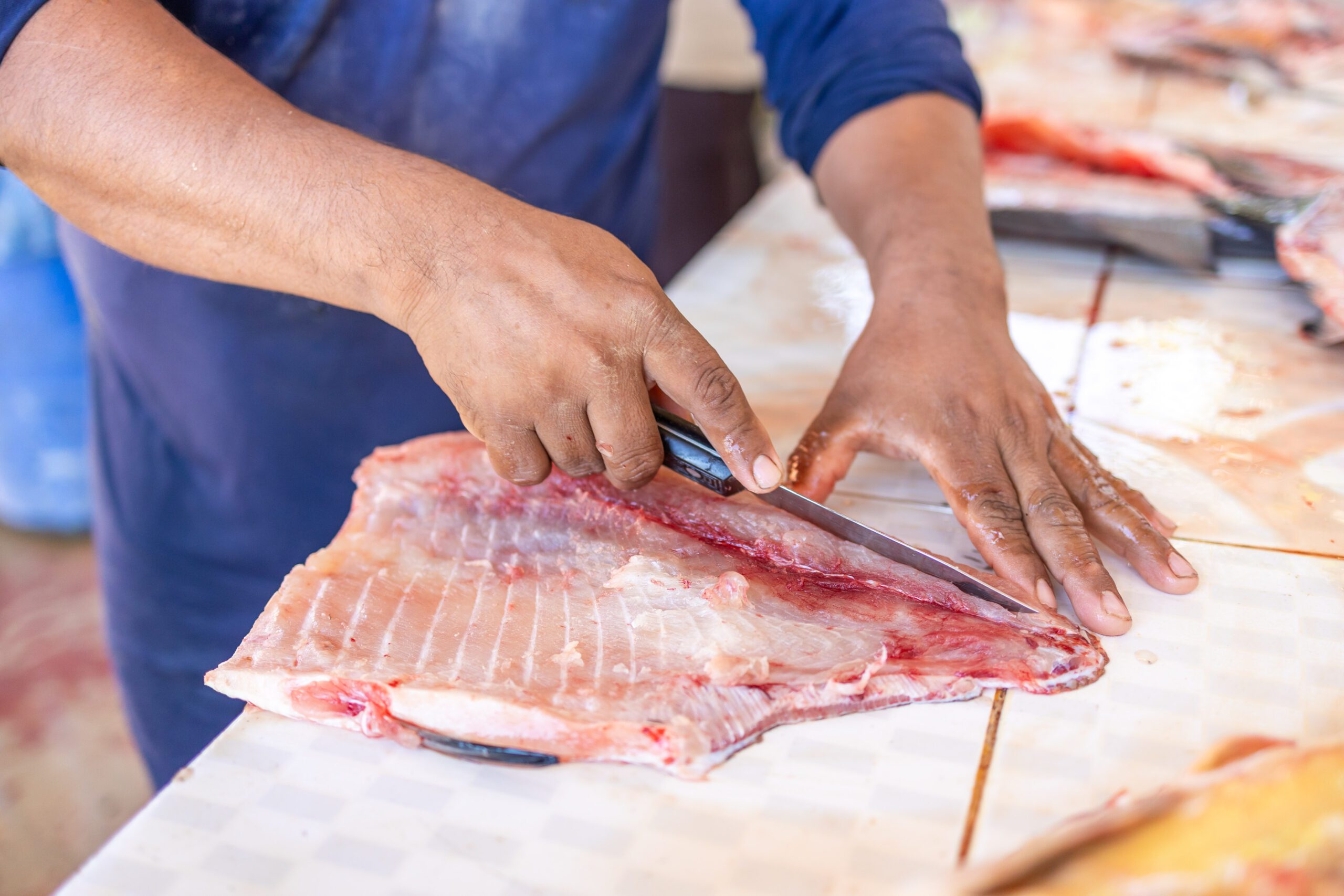
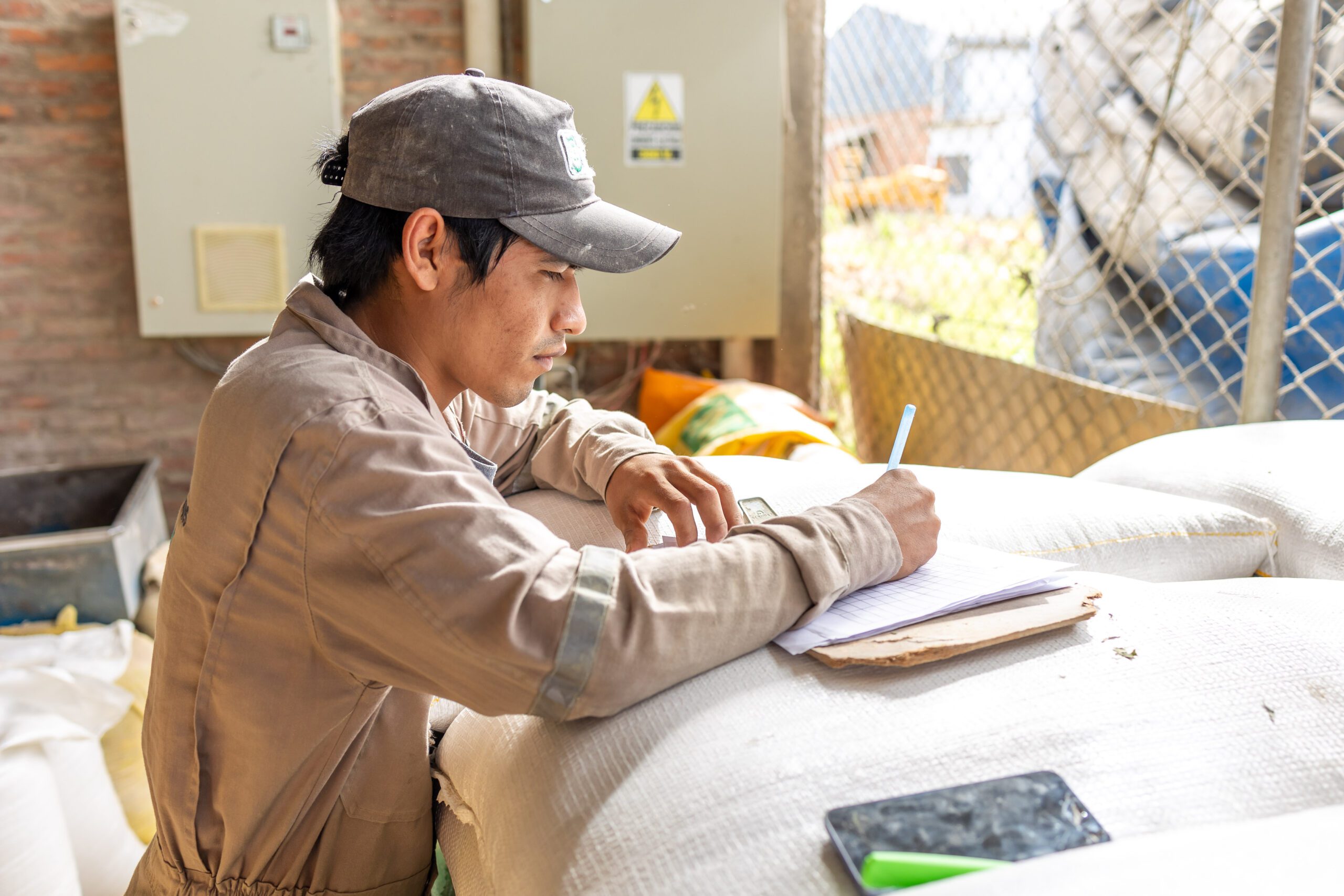
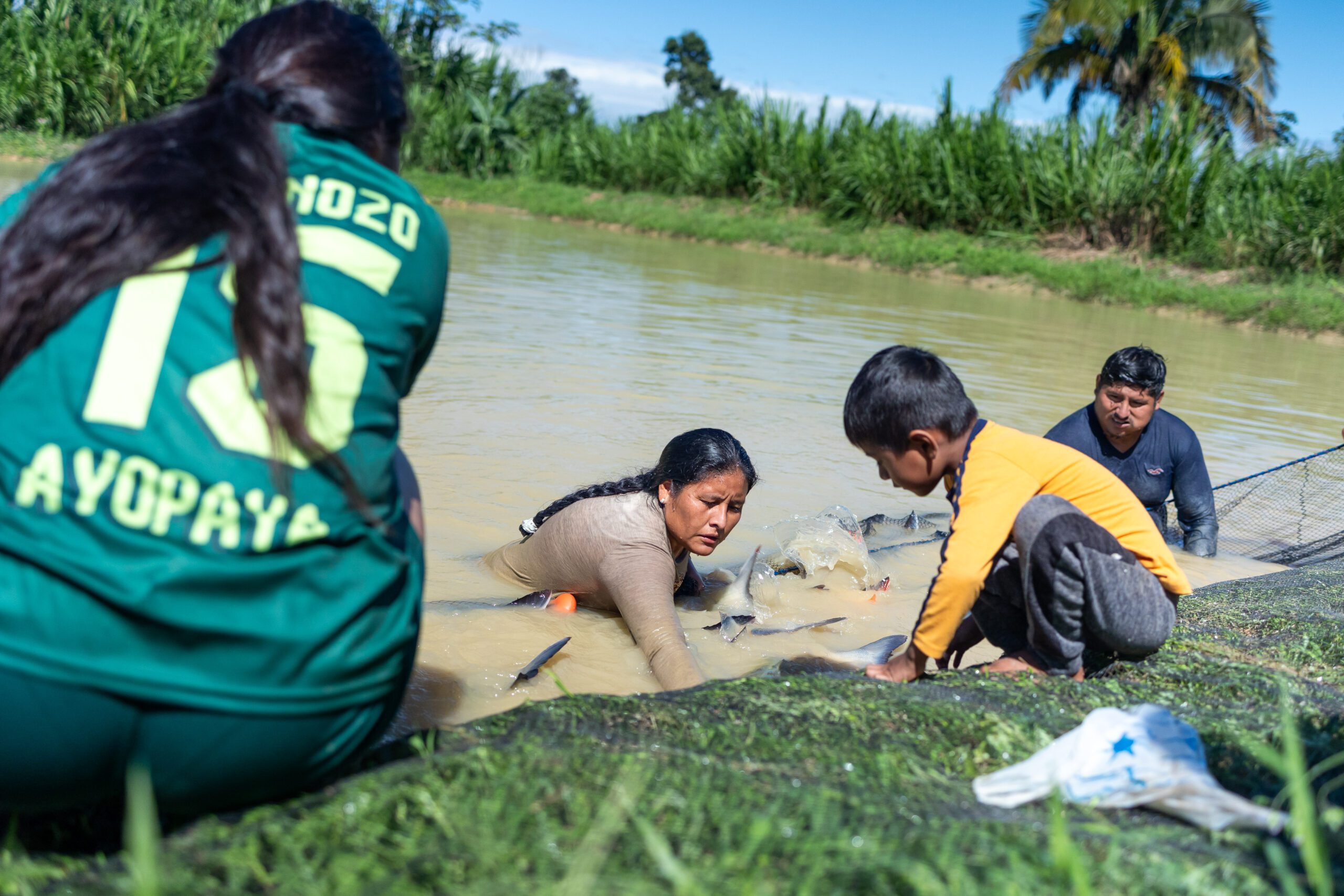
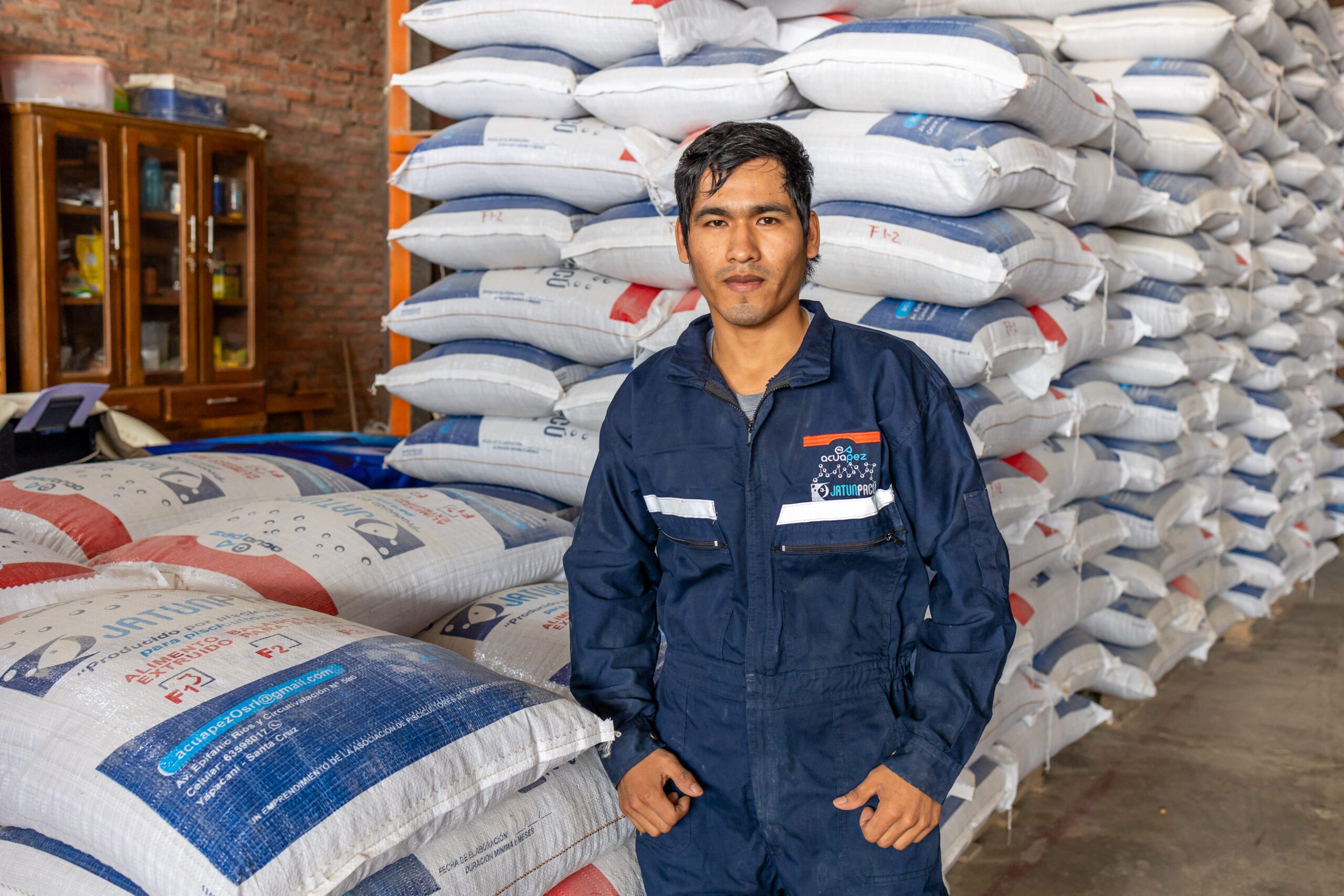
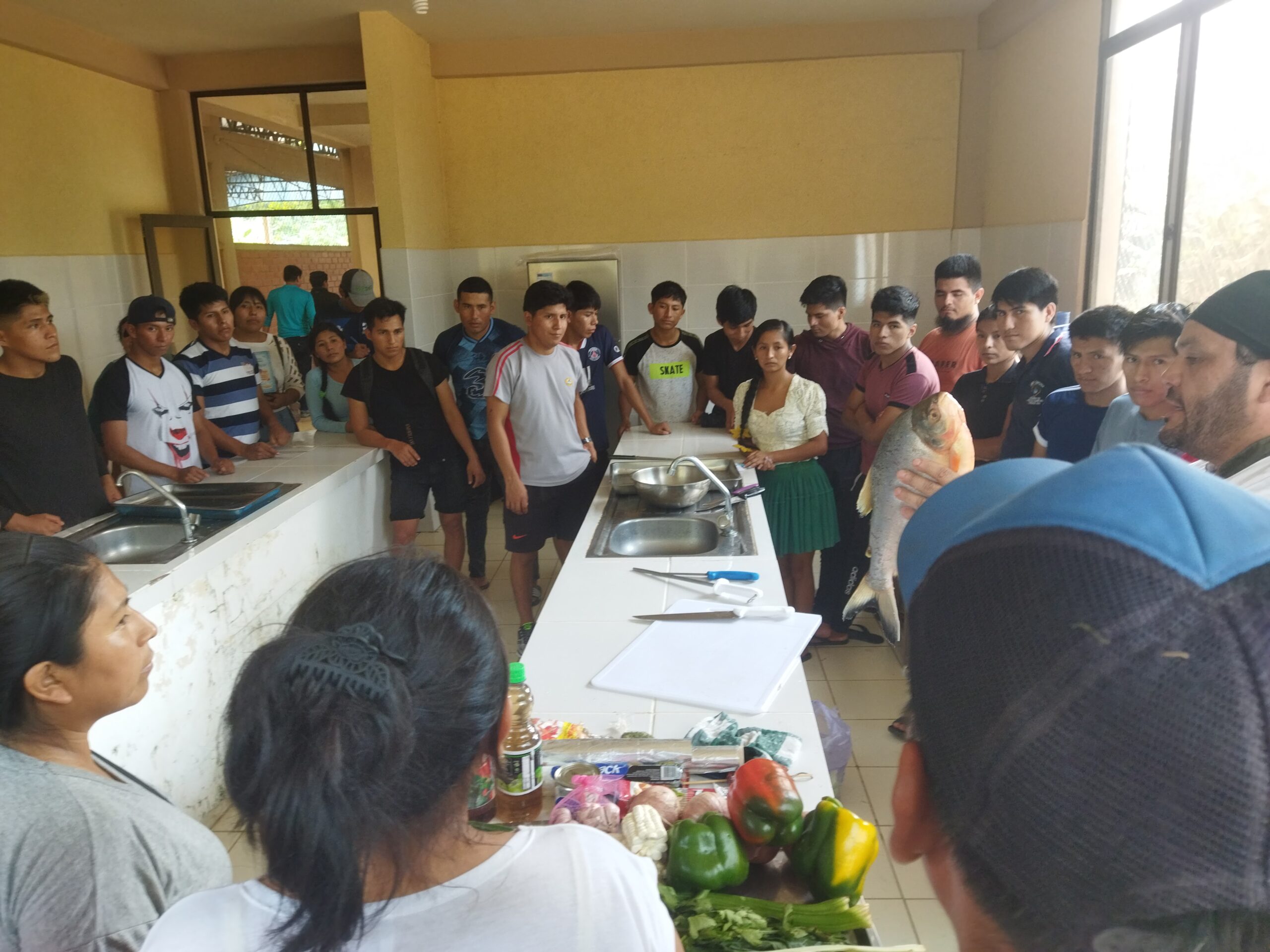
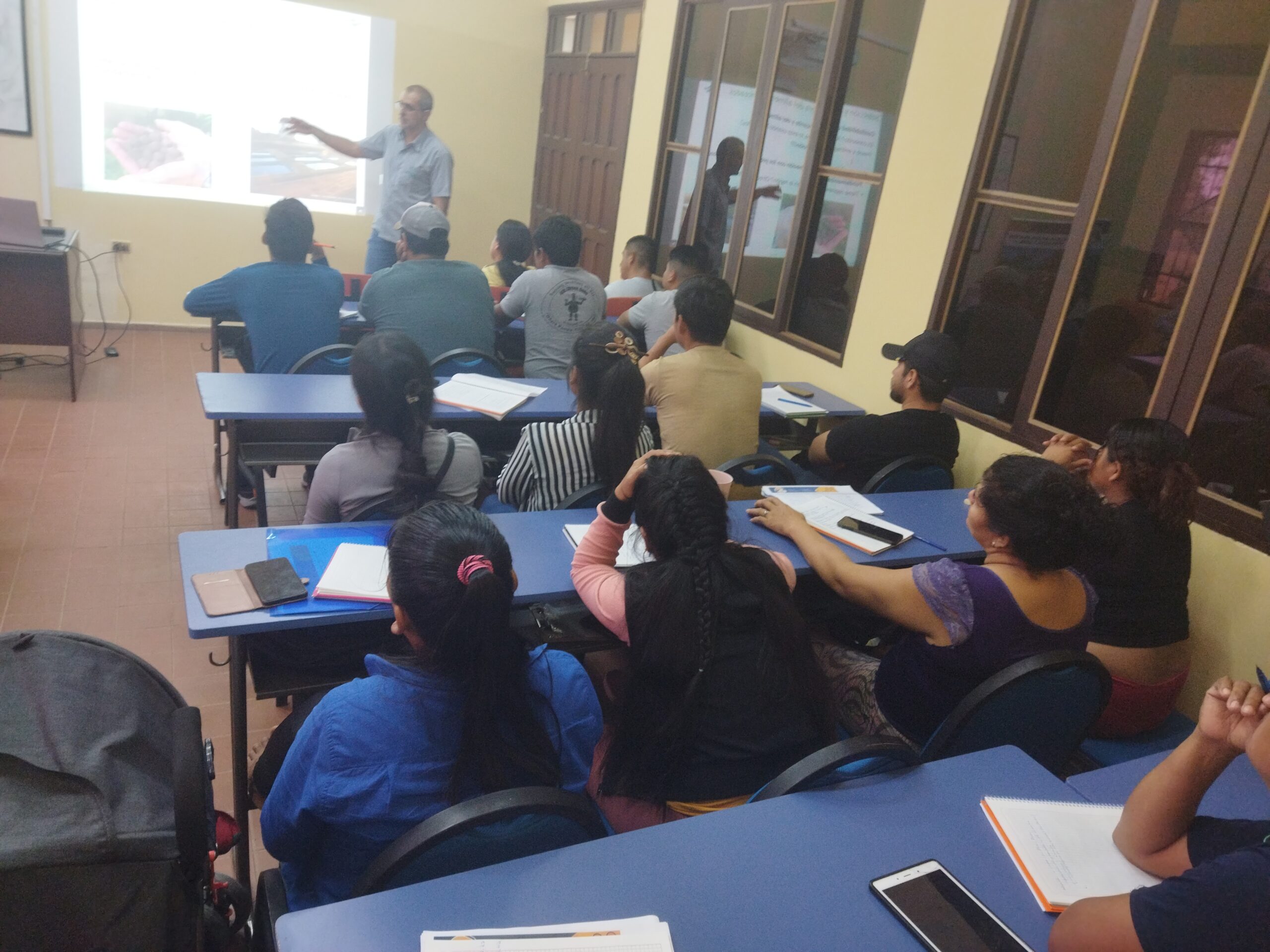
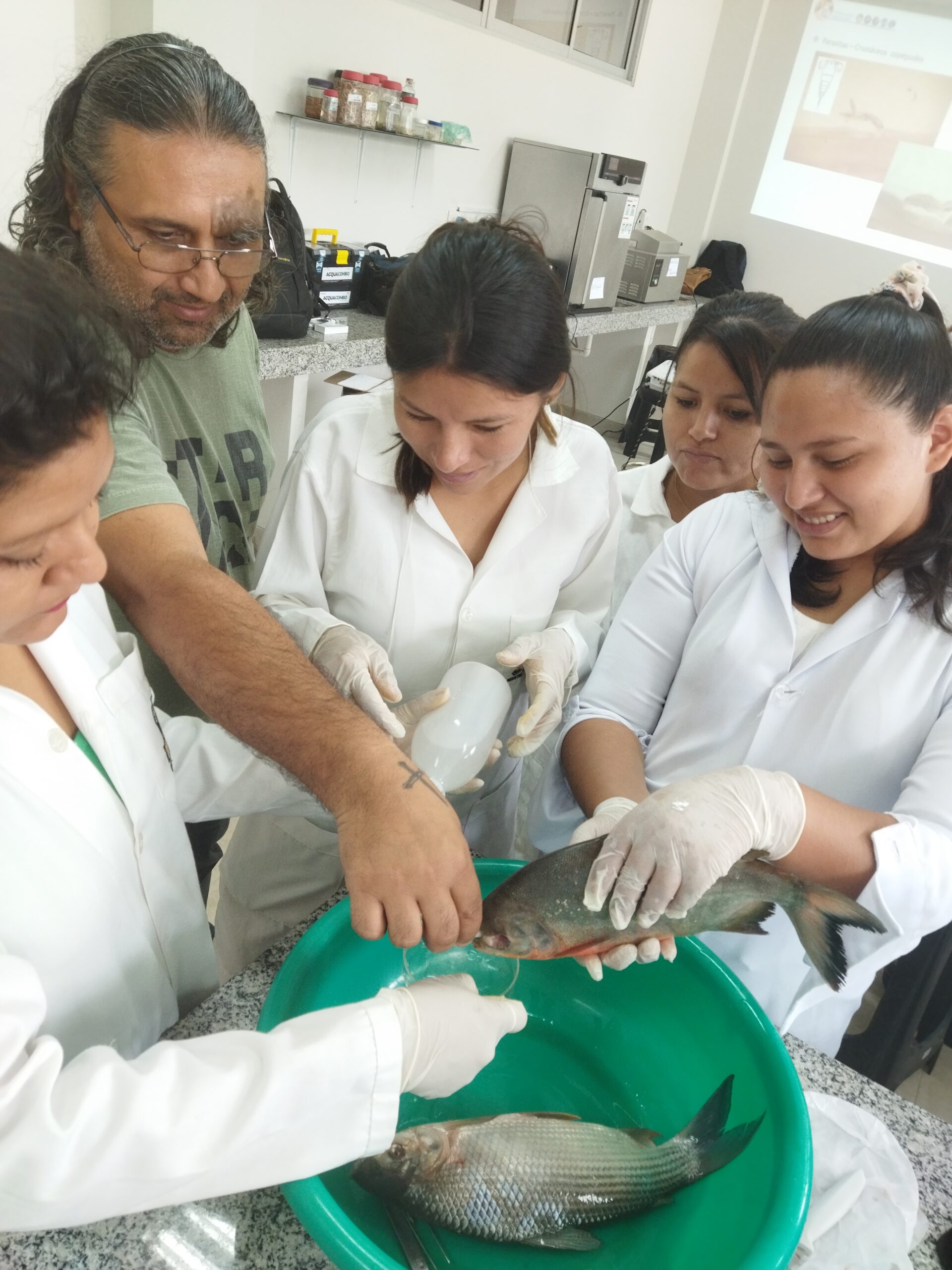
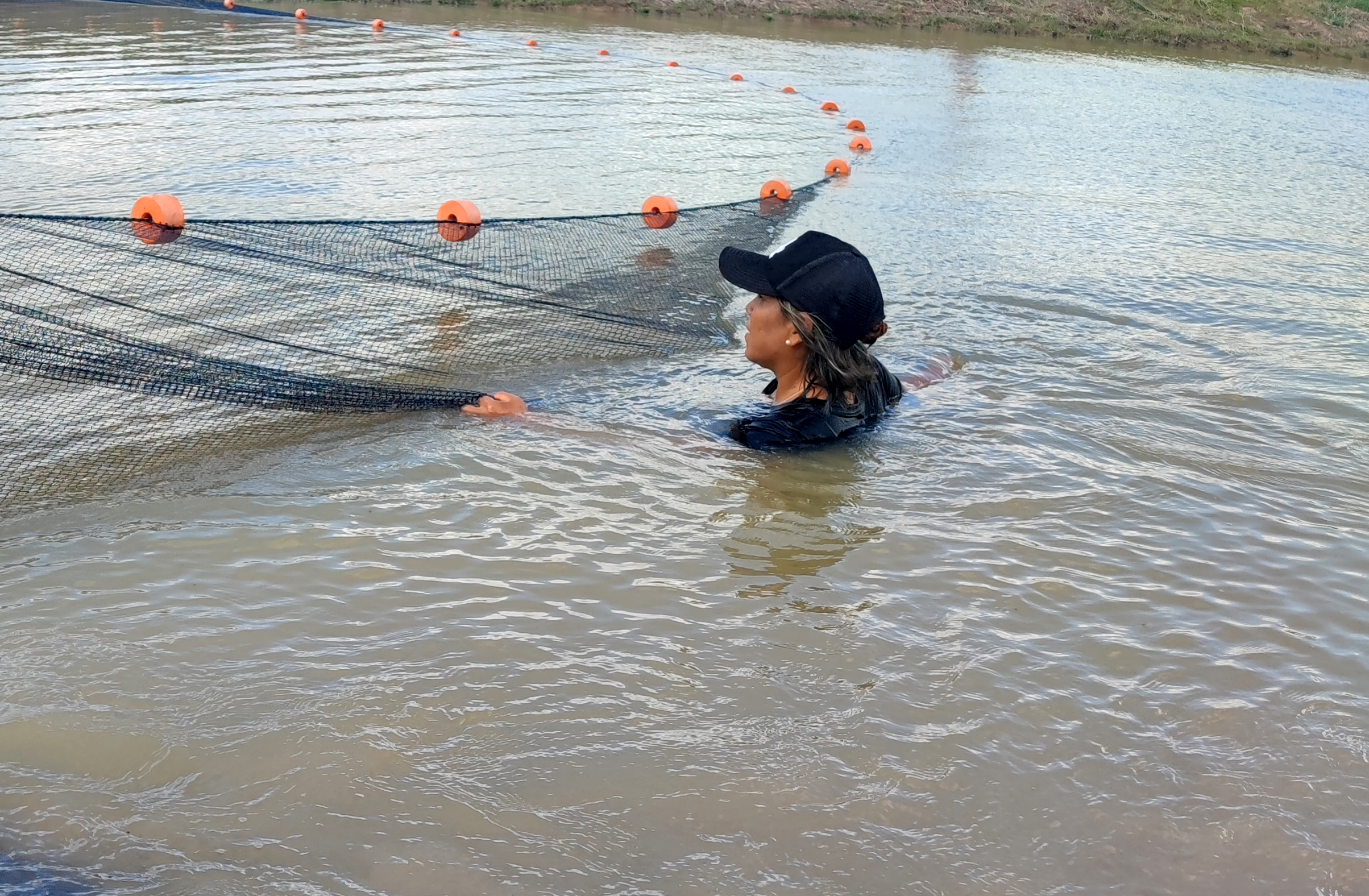
At the heart of the project lies a comprehensive approach to aquaculture and the fish market. From constructing and managing ponds to ensuring water quality, breeding fingerlings, feeding, harvesting, and safeguarding fish health, the initiative equips small-scale fish farmers with essential technical skills and knowledge. Training programs foster sustainable production practices, while marketing strategies and value-added promotion open new pathways for economic empowerment. Together, these efforts strengthen livelihoods through hands-on learning and access to viable commercial opportunities.

















2. Gender-Focused Approach
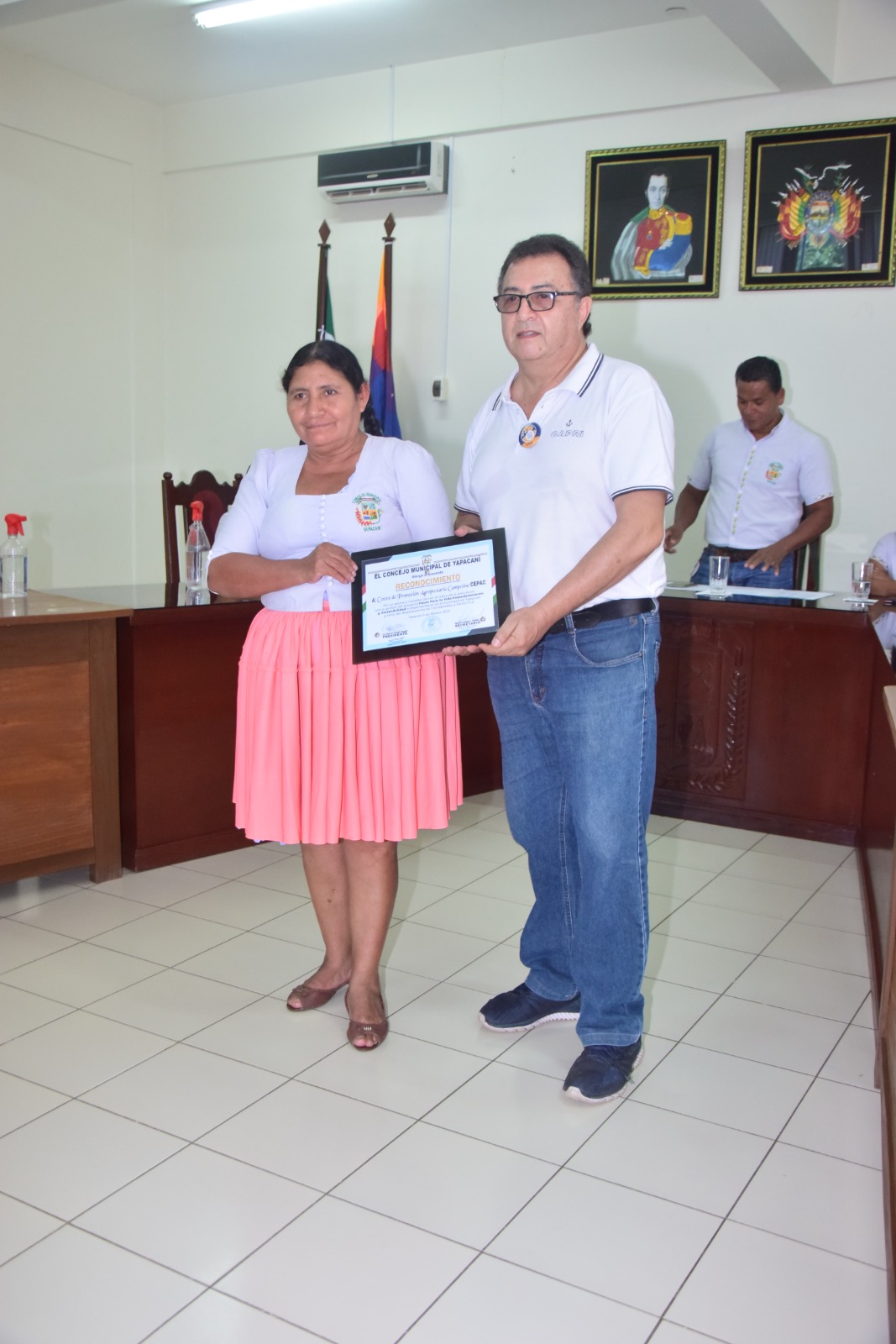
A cornerstone of the project is its commitment to gender equality and inclusive leadership. Through tailored workshops, dialogues, and participatory platforms, women are actively encouraged to take on decision-making roles across the aquaculture value chain. By building skills and confidence, the initiative transforms women’s positions in their communities—from dependence to leadership—unlocking opportunities for both personal and collective growth. Stories from participants reveal how this approach is reshaping lives and fostering a more equitable piscicultural landscape.




3. Institutional Support
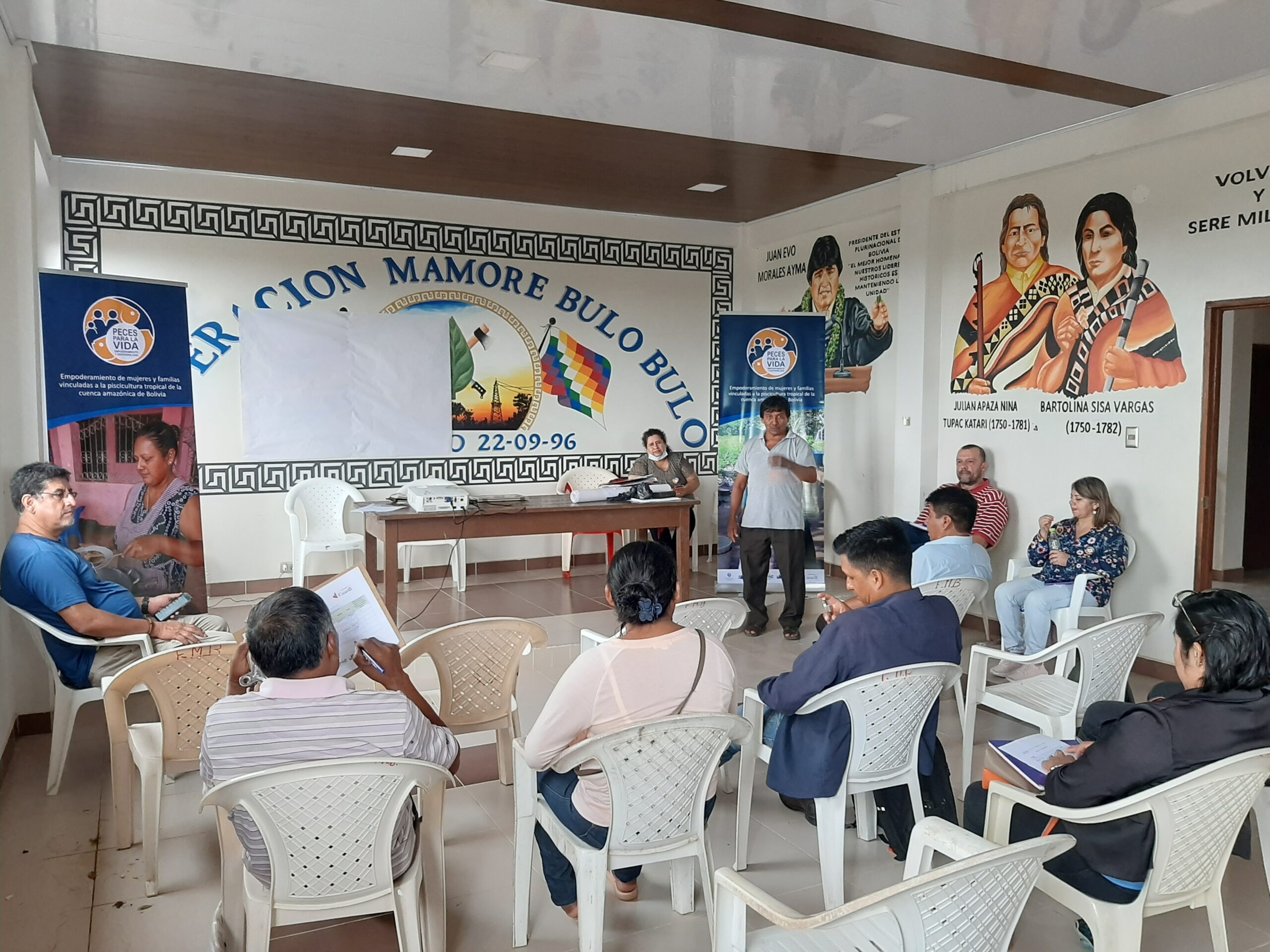
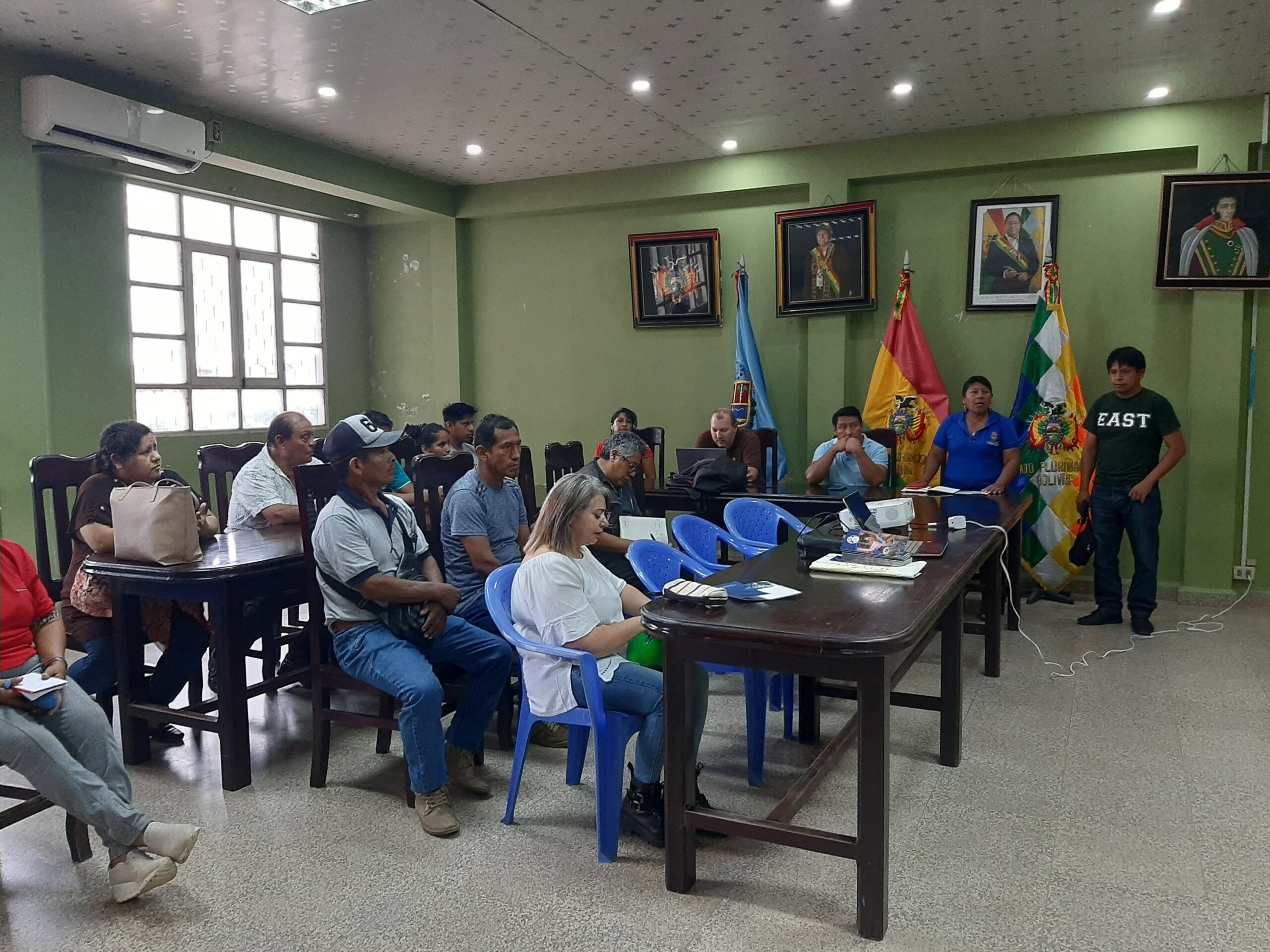
The project is grounded in a solid institutional framework involving collaboration with NGOs, local consultancies, and international partners. This multi-level support ensures continuity, technical excellence, and expansion of reach across Cochabamba and Santa Cruz, where the project was active in 10 municipalities. Anchored in strong governance and learning processes, this institutional backbone empowers communities, strengthens local associations, and embeds sustainability across the aquaculture sector.