Transforming Healthcare in Malawi: The STREAMS WASH Project
Malawi – Africa
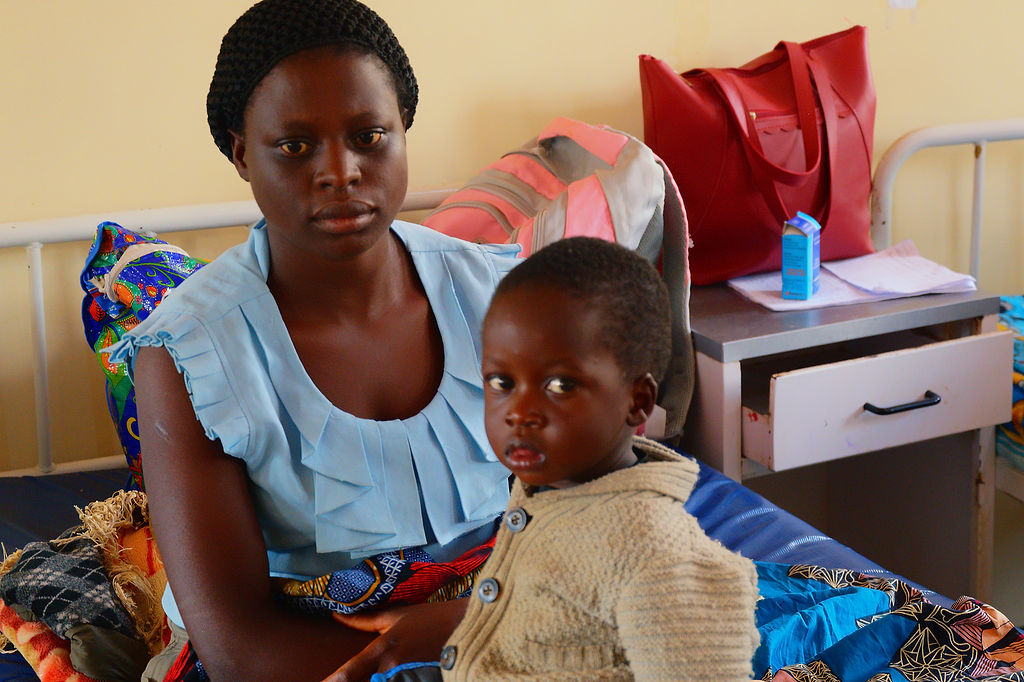
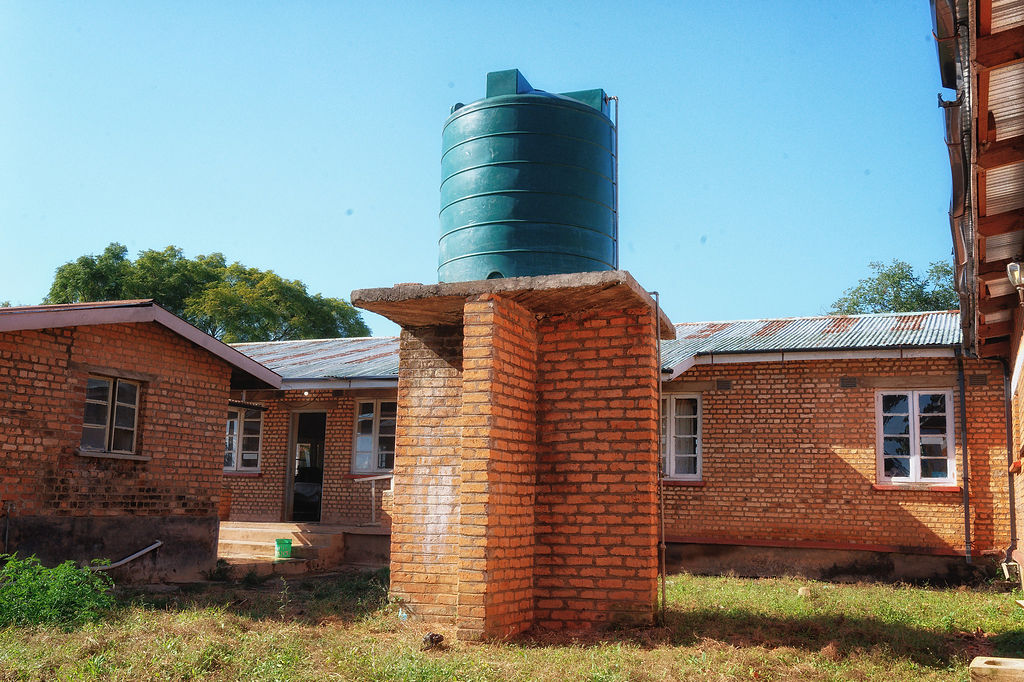
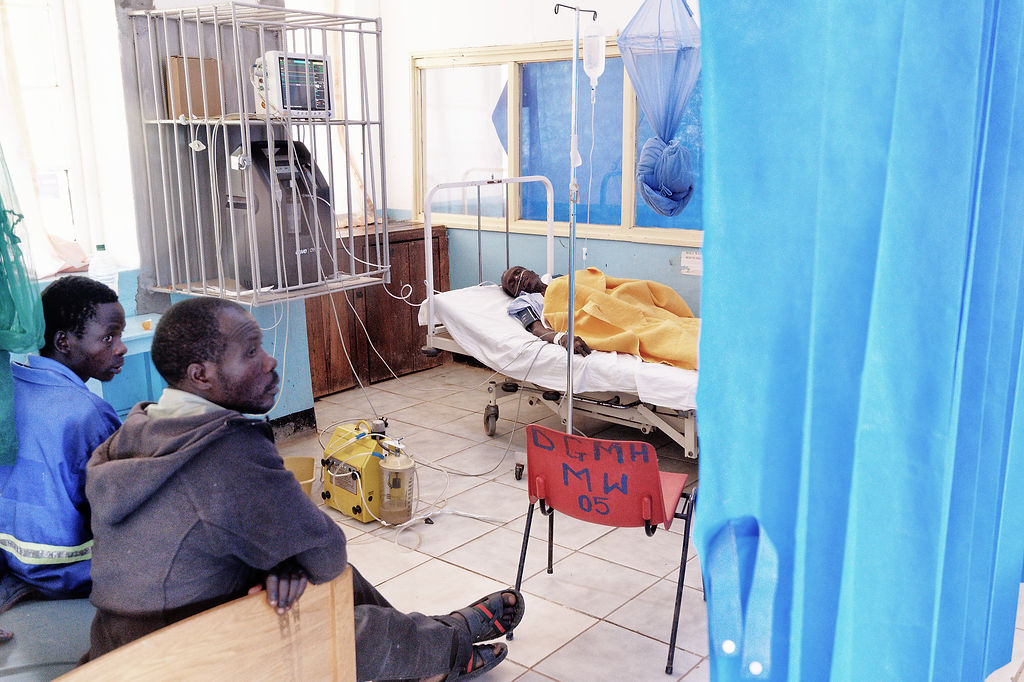
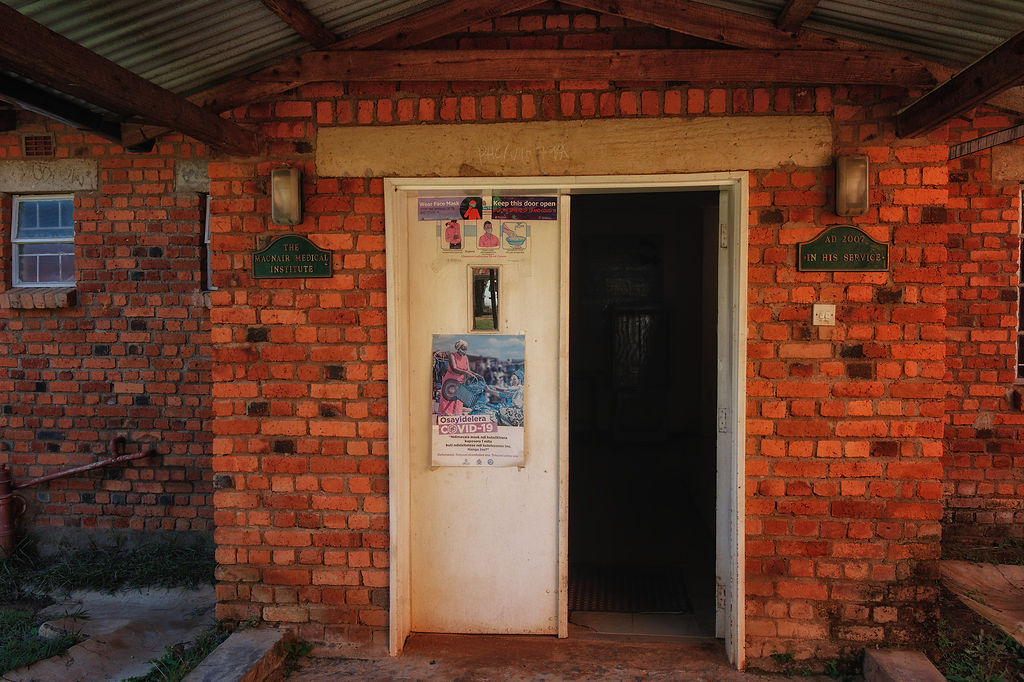
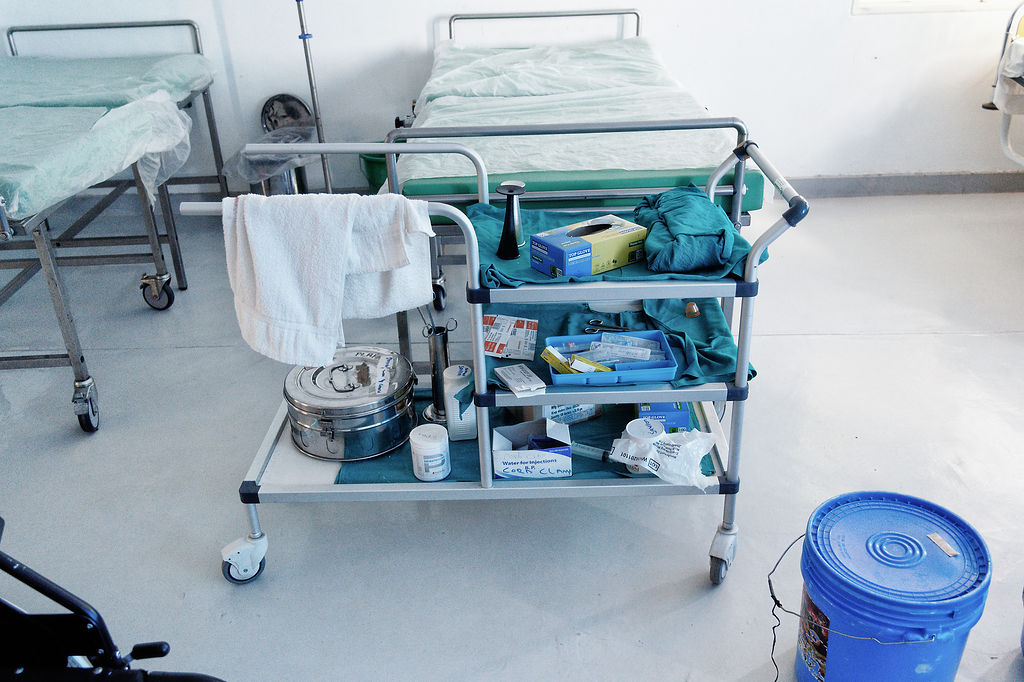
In the heart of Africa, a quiet crisis has been unfolding in healthcare facilities: a lack of access to clean water, sanitation, and hygiene (WASH). This not only compromises patient safety and dignity but also places an immense burden on healthcare workers, a majority of whom are women. But a new wave of change is here. The STREAMS project is a groundbreaking initiative designed to bring sustainable and transformative solutions to healthcare facilities in Malawi, ensuring that every patient receives the quality care they deserve.

The Challenge: A Critical Need for WASH
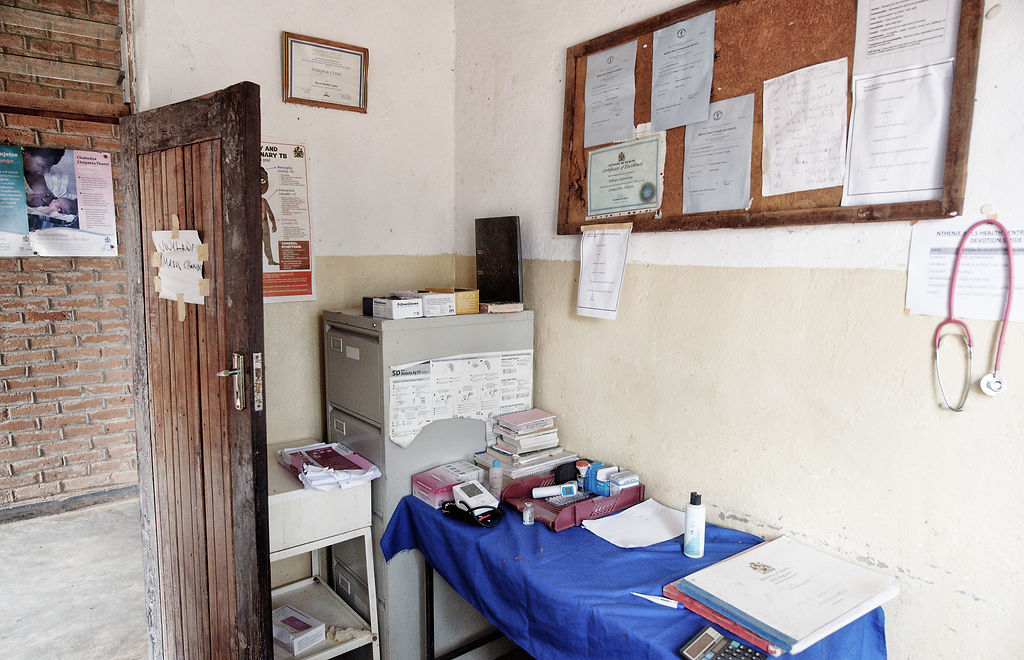
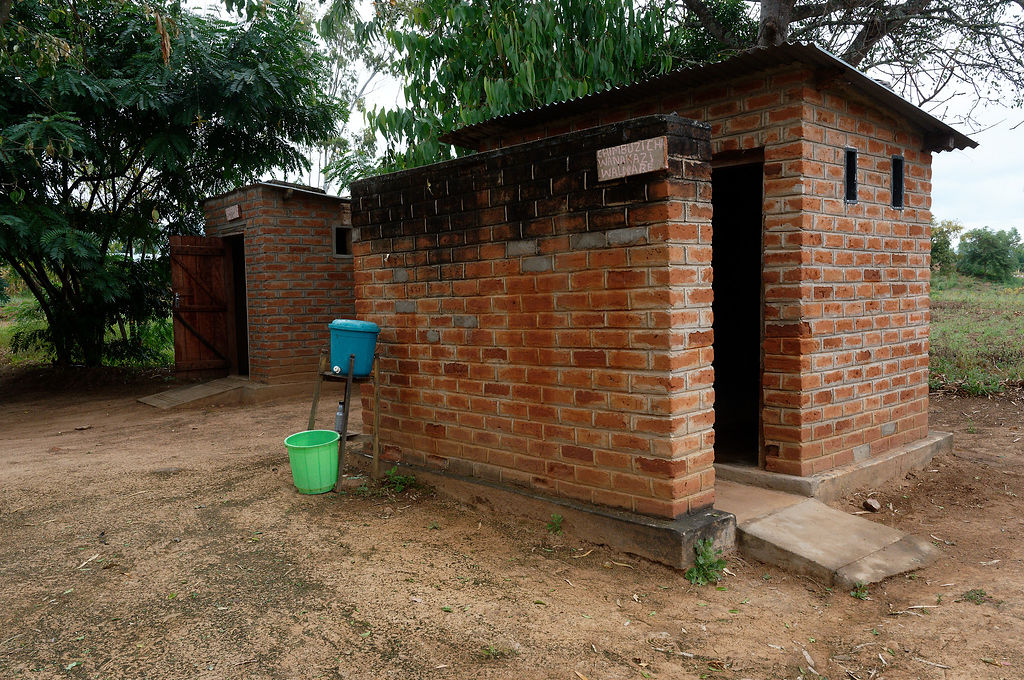
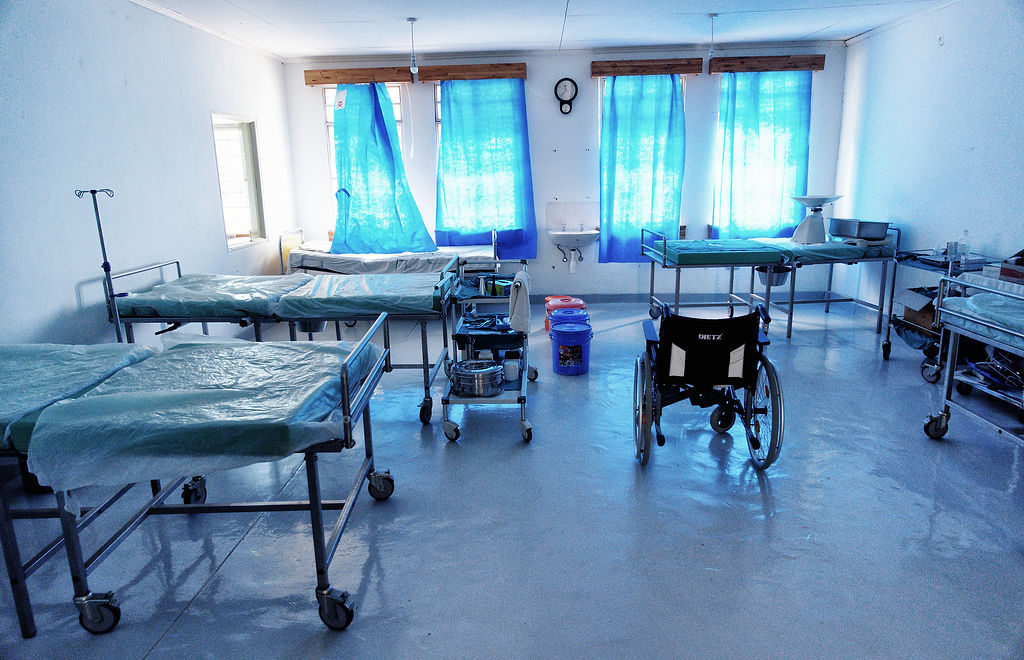
The situation in Malawi’s healthcare facilities has been dire. A 2019 assessment in the Rumphi district revealed a shocking reality:

Limited Access to Clean Water
Only 39% of healthcare facilities had consistent access to water, with significant contamination issues.

Unsafe and Inaccessible Toilets
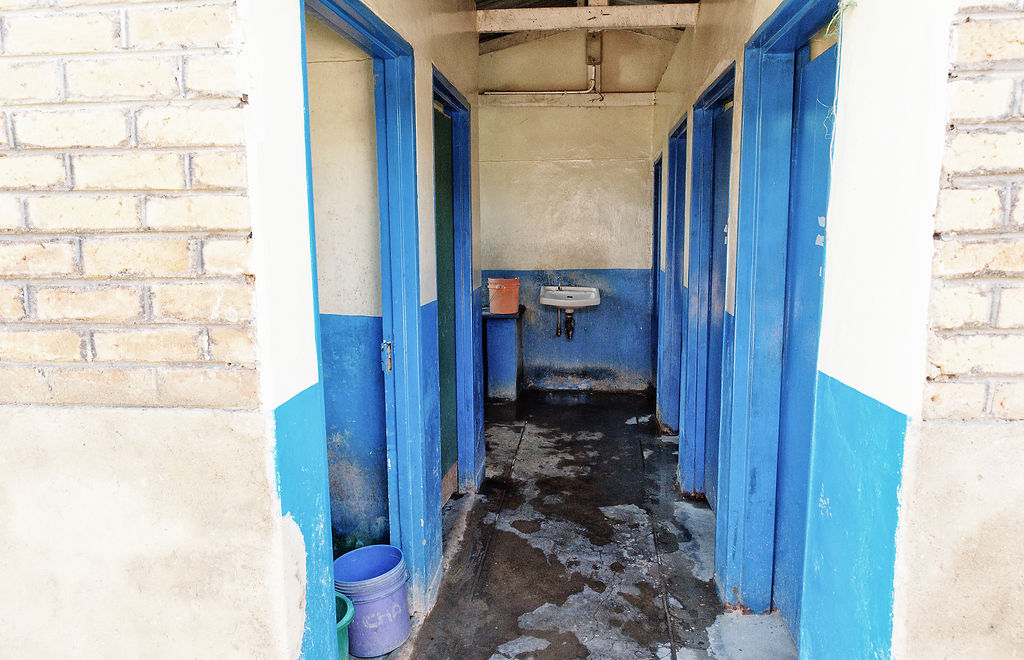
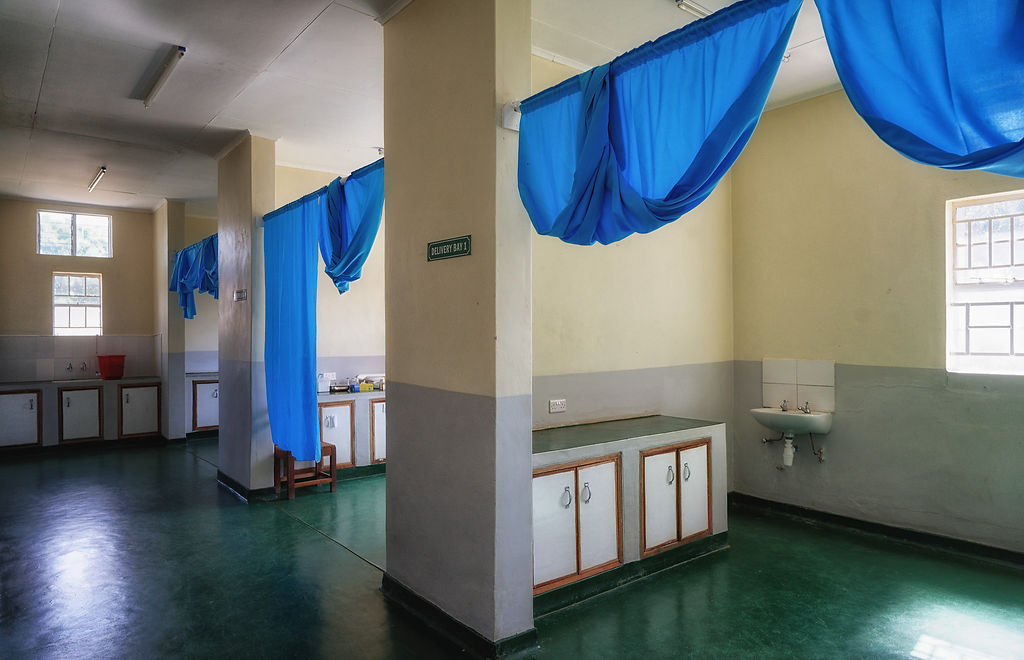
Toilets were often dirty and inaccessible and lacked menstrual hygiene facilities.
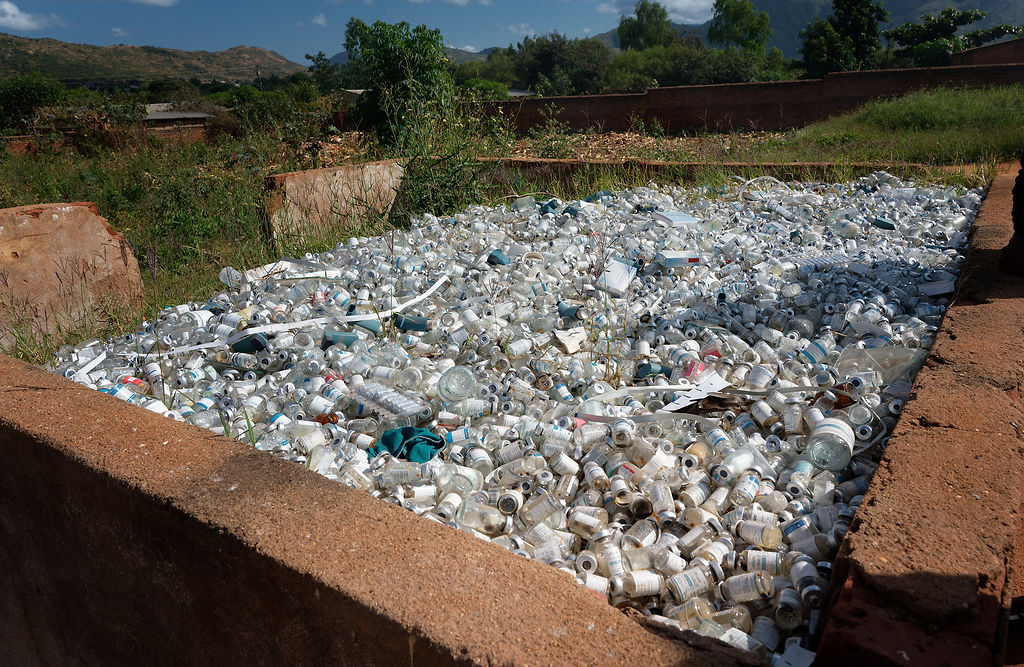
Poor Waste Management
Waste was improperly managed, posing a risk of spreading contaminants.

Insufficient Staff Training
Staff lacked proper training and resources for cleaning and infection prevention.
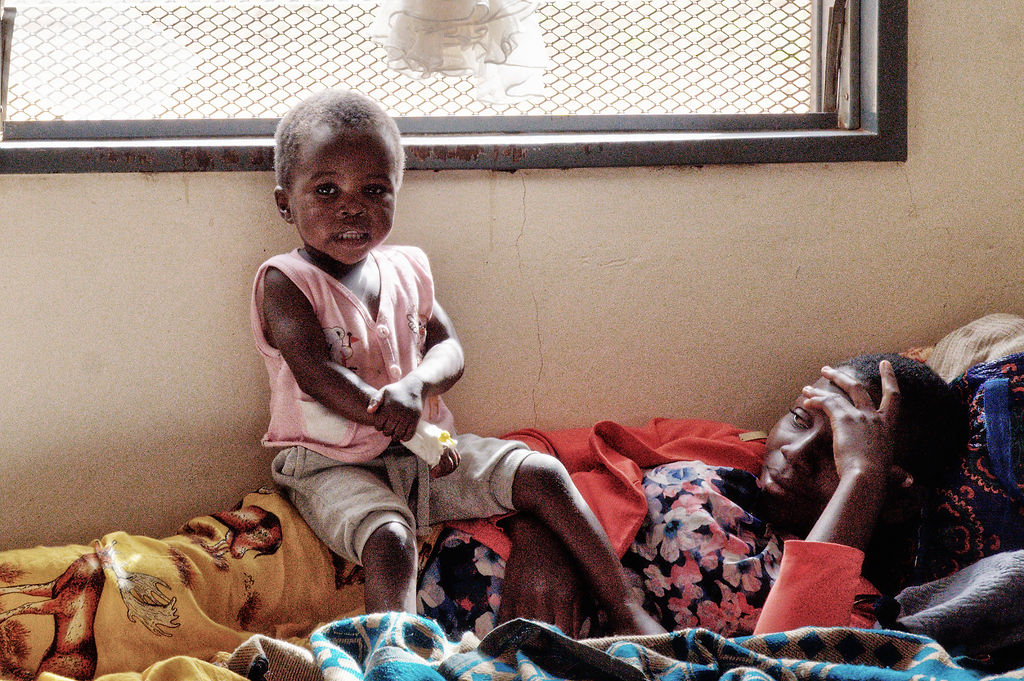
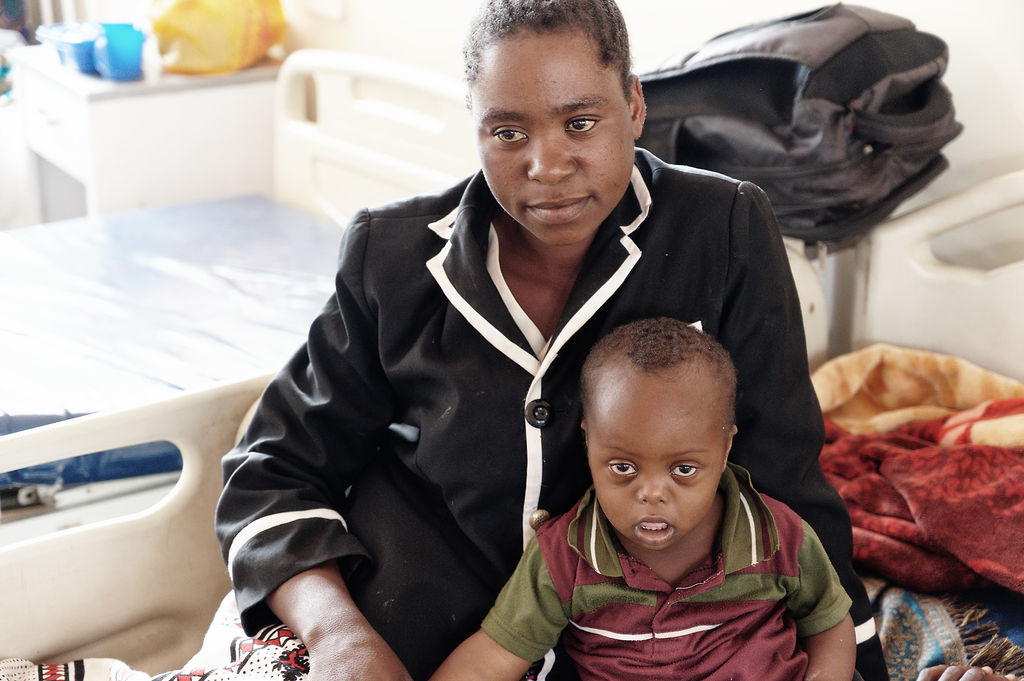
This lack of basic WASH services contributes to high rates of hospital-acquired infections, jeopardizes the health of mothers and newborns, and erodes public trust in the healthcare system.
Our Solution: The STREAMS Innovation
In response to this urgent need, the STREAMS (Systems, Training, Empowerment And Monitoring Support) innovation was born. Co-created with local partners and the government of Rumphi district, STREAMS is a unique approach that combines two proven methodologies: supportive supervision from the health sector and the circuit rider model from the WASH sector.
This innovative model uses roving technical experts, known as Circuit Riders, to provide ongoing support and training to healthcare facilities. By working collaboratively, these Circuit Riders address both the “hardware” (infrastructure) and “software” (behavior change) aspects of WASH, ensuring a holistic and sustainable solution.
Systems
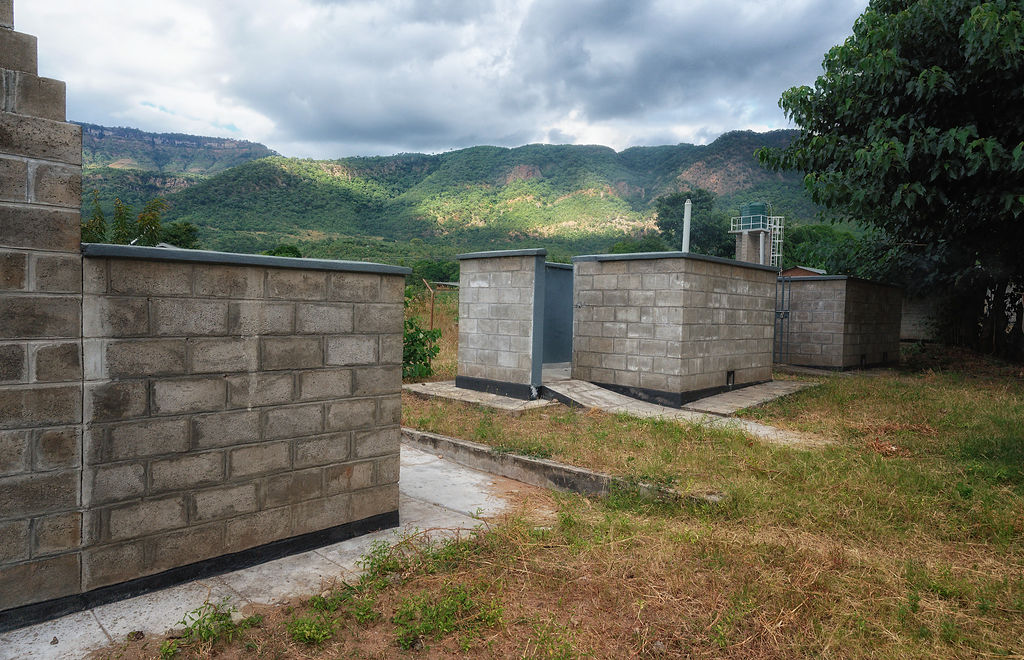
Ensuring the proper operation and maintenance of all WASH infrastructure, from boreholes to incinerators, through regular inspections, repairs, and water quality testing.
Training
Providing ongoing training to healthcare staff on everything from basic maintenance to proper hygiene, cleaning, and waste management, with a strong focus on gender equity.
Empowerment
Coaching and guiding managers and staff to take ownership of their roles, improve workflow, and create a more inclusive and equitable work environment.
Monitoring Support
Regularly collecting and analyzing data to track progress, identify areas for improvement, and ensure the long-term success of the project.
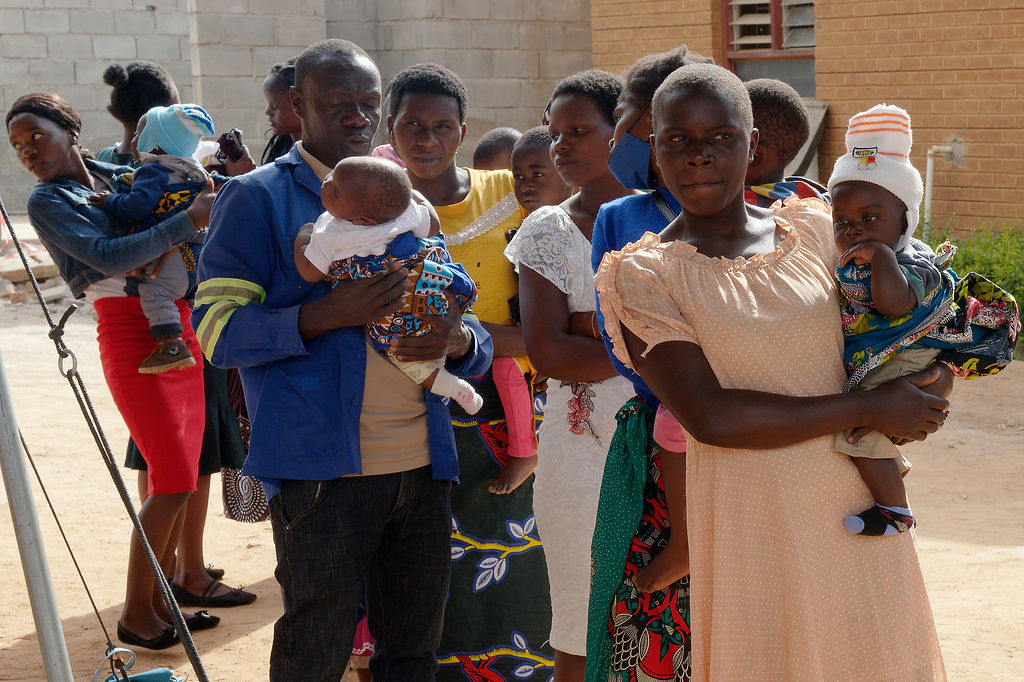


How It Works: The Dual Circuit Riders
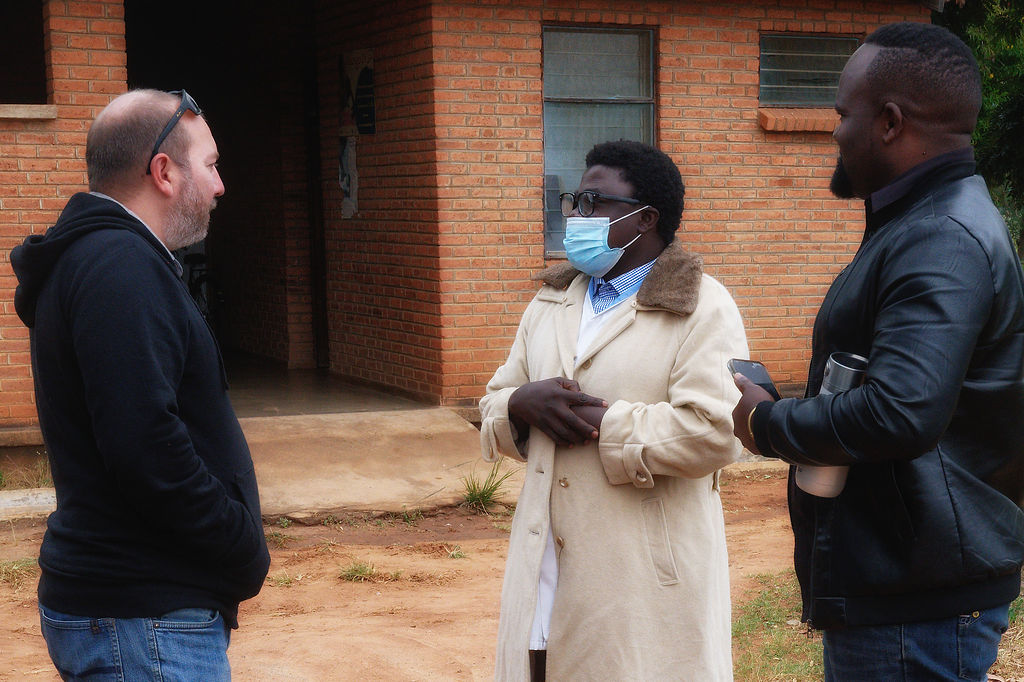
At the heart of the STREAMS innovation is our dynamic team of roving experts, or “Circuit Riders,” who provide consistent, on-the-ground support to each healthcare facility. This isn’t a one-size-fits-all approach; we use a specialized, dual-expert model to cover every aspect of WASH and healthcare quality:
- The Technical Circuit Rider: This expert focuses on the “hardware”. They conduct routine inspections, perform timely repairs on everything from plumbing to incinerators , test water quality , and train local staff on basic maintenance.
- The Quality of Care Circuit Rider: This expert focuses on the “people”. They provide ongoing training and coaching for healthcare staff on hygiene, infection prevention, waste separation, and gender equity. They also help managers improve workflow and ensure clear guidelines are available for everyone.
This collaborative, two-pronged approach ensures that infrastructure improvements are matched with the knowledge and empowerment needed to sustain them long-term.
Our Impact: A Wave of Positive Change
The STREAMS project is more than an intervention; it’s a catalyst for meaningful change. By moving from assessment to action, the project has already demonstrated a transformative impact on the ground, creating a safer, healthier, and more equitable environment for patients and healthcare staff alike. The results below showcase not just improvements in infrastructure, but a fundamental shift in practices and perceptions that contributes directly to the well-being of thousands.
A 56% reduction in water supply disruptions.
A 49% increase in staff ratings of waste practices
A 38% increase in positive patient perception of drinking water
A 50% reduction in staff reporting that people with disabilities face challenges with the facilities.
Over 70% of managers reported receiving gender-sensitive training.
These numbers tell a story of improved health outcomes, empowered communities, and a renewed sense of hope for the future of healthcare in Malawi.
Where We Work: Northern Malawi
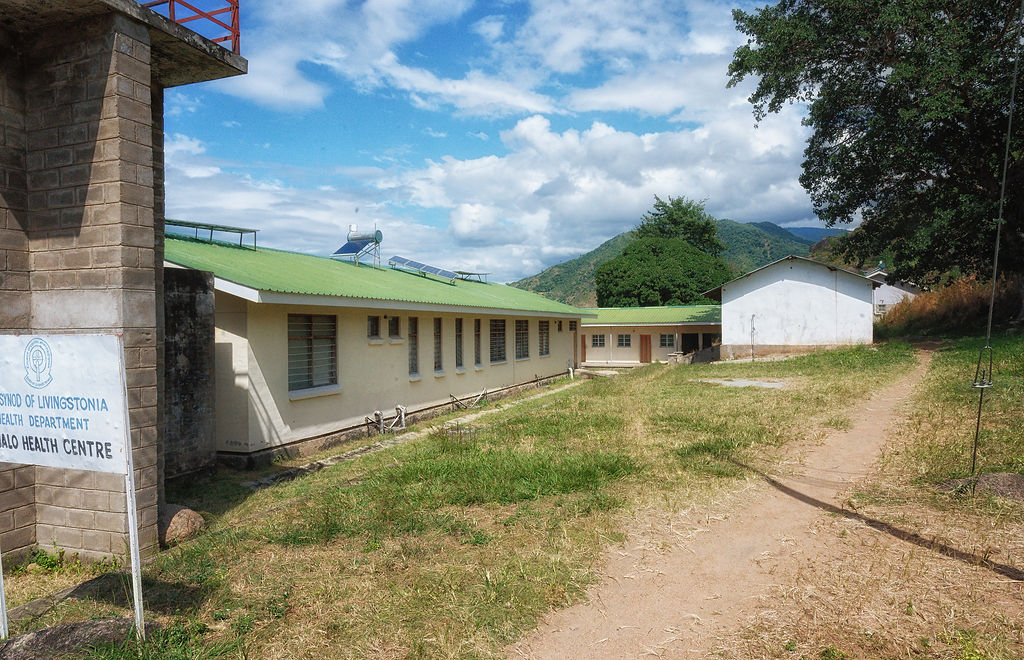
Our efforts are concentrated in the heart of northern Malawi, a region where improved healthcare can make a world of difference. The project’s design is focused and strategic, allowing for deep community engagement and rigorous evaluation.
Health Care Facilities
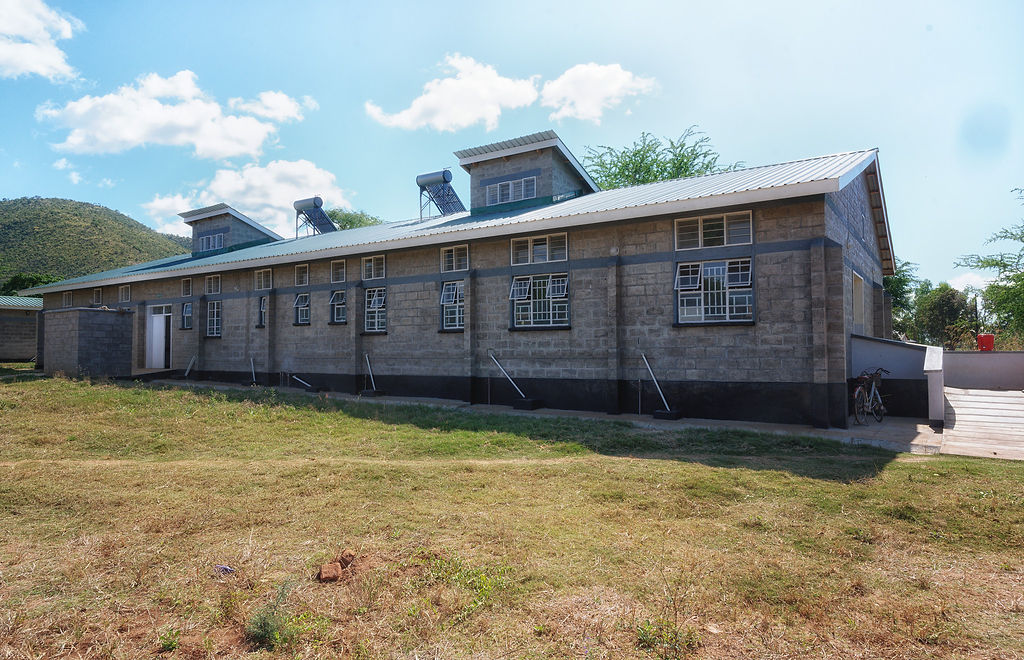
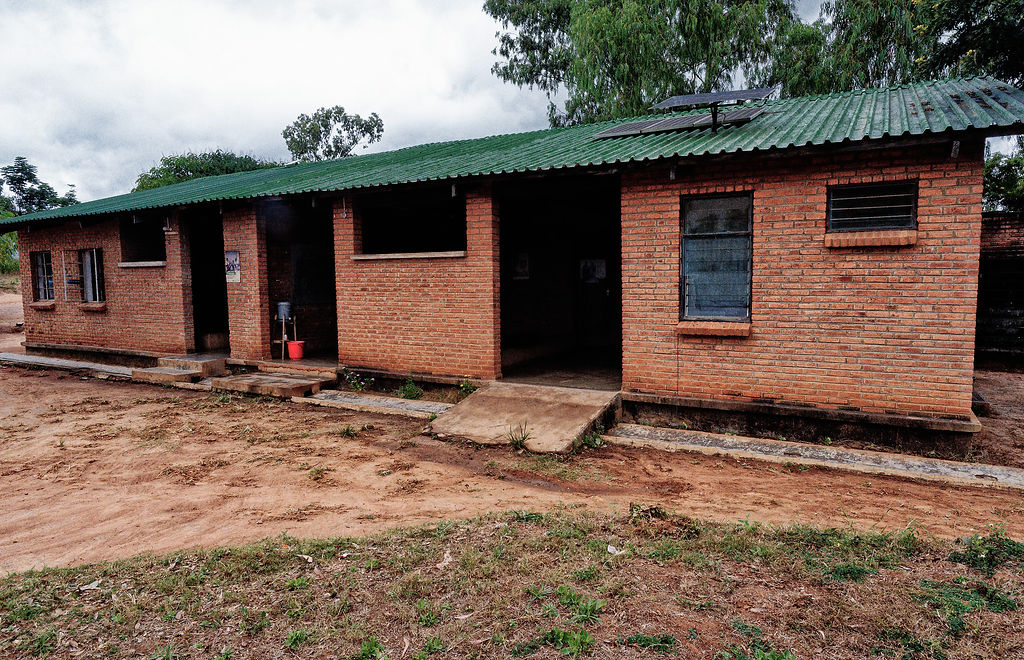
The STREAMS innovation is being actively implemented across every facility in the
Rumphi District. 230,000 People
The approximate number of residents in the Rumphi District who stand to benefit from safer, more reliable healthcare services.
21 Additional Facilities
To ensure our approach is effective, we are monitoring 21 facilities in the neighboring
Nkhata Bay district
as a comparison group, allowing us to rigorously measure and validate our impact.
The Bigger Picture: A Model for the Future
The STREAMS innovation was designed from the start to be a cost-effective, replicable, and sustainable solution to a global problem. Our goal is not just to fix today’s challenges, but to build a resilient healthcare system for tomorrow.
- Building Local Capacity: By training local staff and embedding Quality of Care Circuit Riders within the existing government health system, we are building local expertise that will remain long after the project’s initial phase
- Designed for Scale: The Circuit Rider model has been proven effective in other parts of the world for maintaining community water systems. By successfully adapting it for healthcare in Malawi, we are creating a blueprint that can be scaled up within the country and potentially adopted in other nations facing similar challenges.
-
A Cost-Effective Approach: The project is rigorously testing the cost-benefit of this approach. We anticipate that the savings generated by preventing infections and reducing infrastructure failures will demonstrate that STREAMS is a wise and sustainable investment for governments and health organizations.
Our Partners: A Collaborative Effort
The success of the STREAMS project would not be possible without the dedication and collaboration of our esteemed partners:

Together, we are working to create a future where everyone has access to safe, dignified, and quality healthcare.
RUMPHI










NGONGA HEALTH CENTER



LURA




TCHALO



CHITIMBA




LIVINGSTONIA